


A Neighborhood of Ice Nests
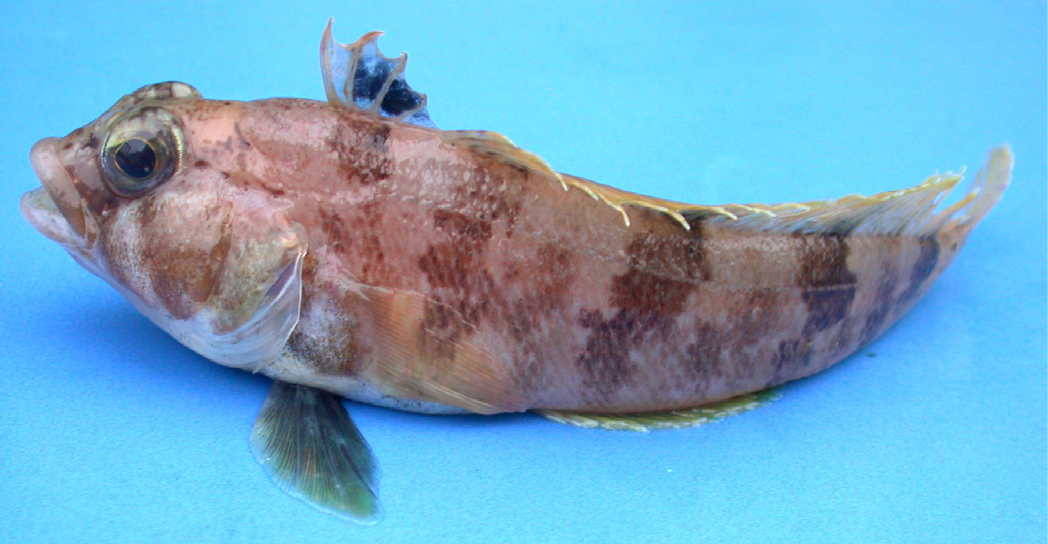
Yellowfin rockcod nests were found in Antarctic waters after a
massive iceberg broke away, revealing the previously
So much of the ocean remains undiscovered because it is so difficult
to reach, but the sea revealed more of its secrets in July 2017, when an
iceberg nearly the size of Delaware broke away from a large ice shelf off
the coast of Antarctica’s Weddell Sea. The slab of ice, about 2,239 square
miles in size, separated from the Larsen C Ice Shelf in the Graham Land
peninsula of Antarctica and left exposed a seabed previously hidden
under 650 feet of ice.
Researchers sent a remotely operated vehicle named Lassie to explore the area in early 2019. When they discovered more than 1,000 dimples in the ocean floor, they were baffled at first. The dimples were not randomly scattered but were instead arranged in clear patterns. Some were shaped like a crescent, others like an oval, others in a line, and others in a sharp U-shape.
Scientists on board the research vessel debated what the dimples could be and added up the clues—their size, their shape, and knowledge of local sea life. They concluded the dimples were nests of yellowfin rockcod. Male yellowfin rockcod guard nests and their surrounding area for four months after females lay eggs, so the vast neighborhood of clustered nests likely enabled a network of guards to keep the eggs safe. Scientists suspect isolated nests on the outer edges were guarded by larger, stronger fish that could defend the area alone. About one in seven nests had pebbles in or around them, on which biologists think the fish laid their eggs to prevent rotting on the floor or predation from animals in the mud. Closer investigation also revealed that 72 of the 1,036 nests still contained larvae.
Discovery of this unexpected nursery area underneath an ice shelf supports the idea of establishing a protected area in the Weddell Sea to keep future generations of yellowfin rockcod safe.
Researchers sent a remotely operated vehicle named Lassie to explore the area in early 2019. When they discovered more than 1,000 dimples in the ocean floor, they were baffled at first. The dimples were not randomly scattered but were instead arranged in clear patterns. Some were shaped like a crescent, others like an oval, others in a line, and others in a sharp U-shape.
Scientists on board the research vessel debated what the dimples could be and added up the clues—their size, their shape, and knowledge of local sea life. They concluded the dimples were nests of yellowfin rockcod. Male yellowfin rockcod guard nests and their surrounding area for four months after females lay eggs, so the vast neighborhood of clustered nests likely enabled a network of guards to keep the eggs safe. Scientists suspect isolated nests on the outer edges were guarded by larger, stronger fish that could defend the area alone. About one in seven nests had pebbles in or around them, on which biologists think the fish laid their eggs to prevent rotting on the floor or predation from animals in the mud. Closer investigation also revealed that 72 of the 1,036 nests still contained larvae.
Discovery of this unexpected nursery area underneath an ice shelf supports the idea of establishing a protected area in the Weddell Sea to keep future generations of yellowfin rockcod safe.