
Artificial Reefs, Real Partnerships: How Collaboration Builds Life Beneath the Waves
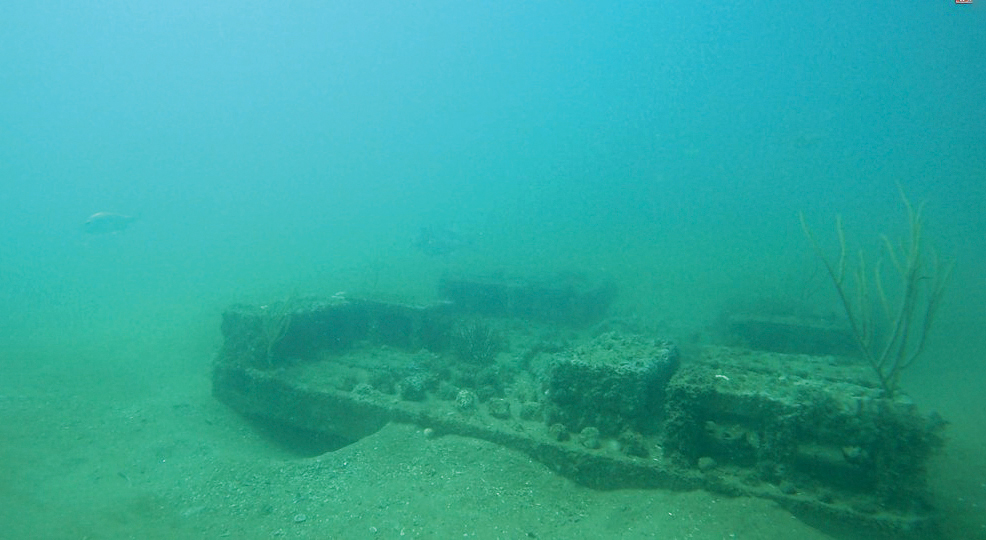
If you’ve ever fished offshore in Texas, you probably already know the basic rule: structure is everything. Find the structure, you find the fish. For a long time, oil and gas platforms acted like accidental fishing hotspots, vertical oases in the mostly flat Gulf. Now, as those platforms come down, the fishing spots go with them.
What most anglers don’t see is what it takes to replace that lost structure, and who actually makes it happen. Building habitat at sea is not as simple as dropping some concrete on the bottom. It takes science, planning, permits, materials, money, and above all, it takes partnerships.
The Texas Parks and Wildlife Department (TPWD) Artificial Reef Program relies on these partnerships to turn restoration funding into real, fishable reefs. They work with Friends groups, industry partners, and grant programs to make it happen.
Partnerships and How Reefs are Funded
The Artificial Reef Program doesn’t rely on state general revenue, or even revenue from fishing license sales. Every reef in the water is a product of partnerships. TPWD works with nonprofit Friends groups, material donors, and funding agencies to get the materials, handle permits, and deploy reefs responsibly in state and federal waters.
Grant funding often brings these partnerships together. One of the biggest examples is the $2.58 million RESTORE Grant from the Texas Commission on Environmental Quality (TCEQ) RESTORE Program, which is currently underway to expand reef habitat along the Texas coast. This project will place over 500 high-relief concrete pyramids and 300 low-relief concrete plates in the Sabine Pass and Port O’Connor regions, and up to 500 tons of concrete railroad ties in the South Padre Island Region. The RESTORE Act came out of the 2010 Deepwater Horizon oil spill. Settlement funds go back into Gulf Coast restoration. This isn’t regular taxpayer money; it’s specifically meant to fix environmental and economic damage from the spill. In Texas, TCEQ uses the money to restore coastal and marine resources, including offshore fish habitat. In a way, money from one of the worst environmental disasters in the Gulf is now being used to rebuild fishing habitat right now.
With RESTORE funding, TPWD and its partners are creating and improving reef sites in areas most affected by lost offshore structures, including the Sabine Pass, Port O’Connor, and South Padre Island regions. These areas lost a lot of structure when platforms were removed, structure that used to support thriving reef fish communities. RESTORE funding helps replace that habitat on a scale that matters for fishing.
Local Partners and Industry Contributions
The Texas Artificial Reef Program relies heavily on oil and gas industry donations generated from reefing decommissioned oil rig platforms. These contributions allow TPWD to maintain and expand reef habitat along the Texas coast. Grants like RESTORE add extra funding for areas or projects that need more help. Friends groups also play a big role. They fundraise, provide materials, and advocate locally. For example, Friends of Sabine Reefs help support reef development in the Sabine Pass area, while Friends of RGV (Rio Grande Valley) Reef do the same in the South Padre Island area, making sure the projects match local needs.
Together, industry, grants, and Friends groups create a resilient funding model that allows Texas to reef structures whenever possible, and replace habitat when reefing isn’t an option.
Reefing, Design and Deployment
Part of the work involves deciding what happens to decommissioned oil and gas platforms. Whenever possible, TPWD works with industry partners to turn the rigs into permanent reefs through the Rigs-to-Reefs program. These structures provide good habitat and are safe for navigation. But it’s not always simple. Nearshore platforms are often cheaper and safer to remove completely because of towing distances, cutting, and navigational requirements. Farther offshore, reefing is usually the better option; it’s safer, cheaper for the company, and good for habitat. When reefing isn’t possible, purpose-built reefs funded by grants like RESTORE are used instead.
The RESTORE-funded project uses designed concrete reef structures, including high-relief pyramids and low-relief plates. These are chosen to support fish at all life-stages—smaller structures for juvenile fish and taller, more complex structures for adults like red snapper. Partnerships make it possible to put the right structures in the right places. Across the Texas coast, the project is expected to create or enhance at up to 100 acres of reef habitat in Texas waters, with structures designed to last for decades.
RESTORE funding also pays for a lot of behind-the-scenes work anglers don’t see, including environmental and archaeological surveys, state and federal permitting, reef construction and deployment, navigational safety, and post-deployment surveys. These steps make sure reefs are safe, built in the right spots, and provide the most benefit.
The Bottom Line
Texas artificial reefs aren’t the work of a single agency or funding source. They’re built through shared responsibility, investment and partnerships. The program relies on industry donations from reefed oil rigs for much of its funding, while grants like RESTORE provide additional support for projects that need it. Rigs-to-Reefs partnerships preserve valuable structure, Friends groups contribute local energy, donations, and advocacy, and TPWD provides the science, planning, and oversight.
The bottom line is simple: without these partnerships, much of this habitat and the fishing it supports would be gone. The work being done ensures there are still plenty of fish to find, and will be for generations to come.
TPWD Artificial Reef Program would like to thank the following partners for their generous donations to supplement our current nearshore reefing efforts:
Cheniere Energy
Bayou Bend CCS
Golden Pass LNG
Motiva Enterprises
Sempra Port Arthur LNG
Valero Port Arthur Refinery
BNSF
Coastal Conservation Association
Texas Parks and Wildlife Foundation