


Freshwater Inflow Ensures the Health of Our Estuaries
Well, I know it’s on everybody’s mind, and no, the 15 inches of rain that fell in mid-June and flooded our bay systems will not hinder the fishing for long. In fact, it will set us up for some phenomenal fishing in late July and August. The Middle Texas Coast bay systems offer many places to fish that have had little effect from the runoff and inflow from the rivers, and our bays will flourish with life because of these river floods. Many folks get scared when they hear our rivers have crested and are dumping into the bay, and yes, the initial push of water may dampen fishing for a week or so, but our bays need this continual influx of freshwater. Some of the major food sources for game fish; shrimp, crabs, etc., get flushed out of the river deltas and upper areas of the estuaries bringing abundant food into the bays.
This freshwater helps to reduce our salinity levels and drops the bay water temperatures. Because of this our fish are less likely to leave the bays entirely in search of more suitable salinity levels. While this can cause them to get pushed around for a time depending on water depth – salty water is heavier than fresh water and can exist in a thick layer in the lower portion of the water column – there is a good possibility they haven’t left at all, just hunkered down in the deeper and saltier zone.
Here's a great example: What I have seen is trout on the reefs in San Antonio Bay will stay a mile or so in front of the freshwater line as it makes its way from the mouth of the Guadalupe to the lower portions of the bay system. Now this line can change daily depending on how hard the wind blows, and from which direction. Again, keep in mind that freshwater is lighter than saltwater, so while it might not look good on the surface the bottom half or more of the water column could still be plenty salty.
As the winds push and pull on the freshwater layer you will see certain areas change almost overnight. The back lakes and marsh also hold a lot of freshwater during these big rain events. But if our tides are normal to high, we do not see it right away. Rather than raging like the rivers, it sort of seeps out. In some areas, you may notice getting more of a tea-stained look over time, while other areas remain green. Now if we have a weather pattern change and our winds begin to blow from a more southerly or southwestern direction, we will begin to see bigger tidal drops. When this occurs, it allows the water being held up on the island and in the grass to start running out. If we see these kinds of tide drops from a shift in the weather pattern, then more and more water begins to move out of the island causing large volumes of fresh water to overtake the back marsh and back lakes.
Still, do not let this alarm you. This, too, is flushing out tons of bait and food into our bay system. There will still be plenty of outside shorelines holding miles of salty green water. I always look at these events like a pieces of a puzzle. If you know fish live in area “A”, and this area is being overtaken by freshwater, what are your options? First of all, you need to look at depths, tides, and the primary food source in that area. Think like a fish. Where would you go to be comfortable? Sometimes these answers might surprise you. Yes, it is a mind game where we strive to find the prettiest green water we can this time of year, but challenge yourself. If all the key ingredients are there, or close by, try it. It will not take that long to find out if the fish are in the area or not. Think about it this way, you might stumble onto something that nobody knows about, then you have an area all to yourself, while others might just drive by. I cannot tell you how many times clients have looked at me cross-eyed when I tell them we are fishing here!
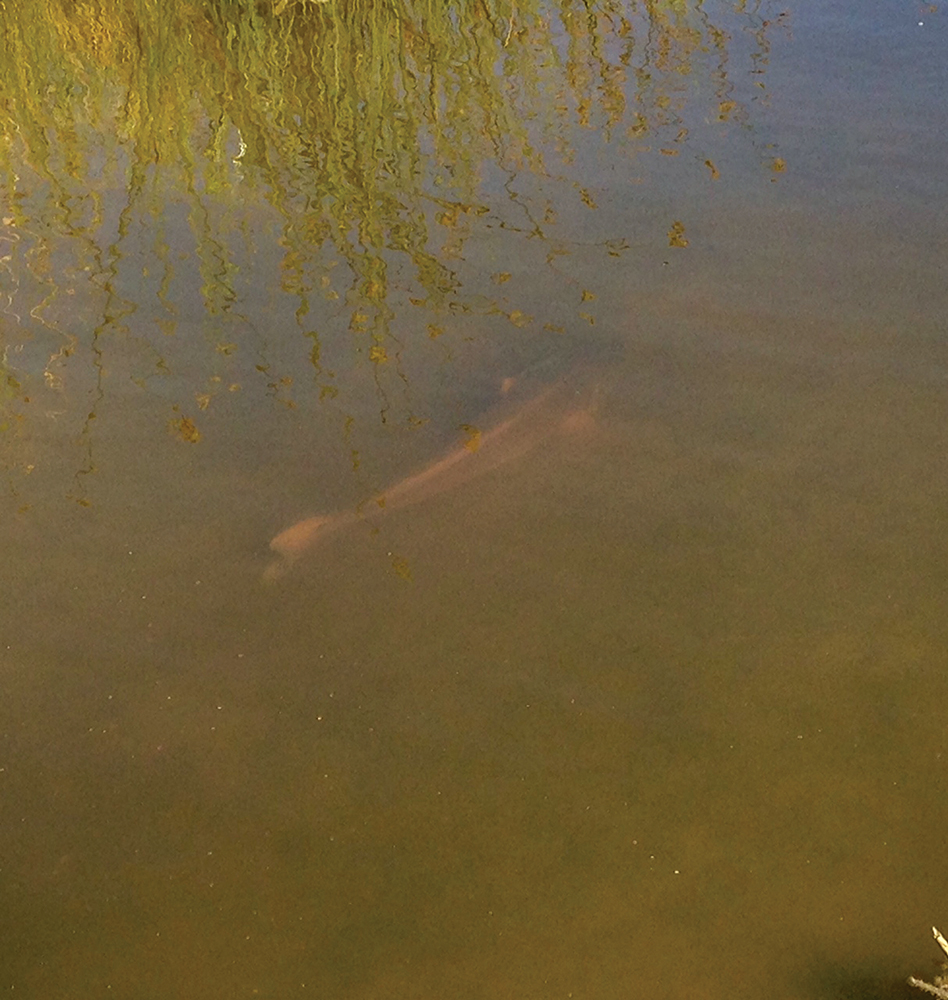
I know this isn’t the typical sight-casting article I usually share but I figured I would address something we have dealt with this summer and might continue to deal with if these rains persist. The last month or so we have been sight-casted in some pretty tea-stained water, but it makes it fun. Redfish seem to glow in that kind of water.