
Habitat Projects Moving Forward
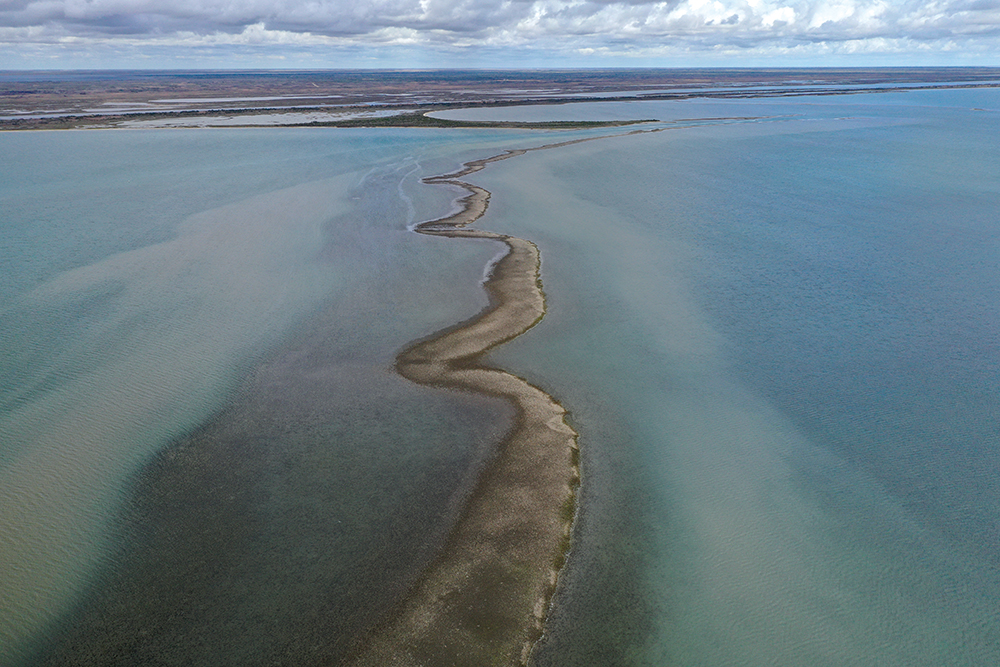
For decades, Coastal Conservation Association Texas has remained committed to protecting and enhancing the marine habitats that sustain Texas’ coastal fisheries. Through the generous support of members, volunteers, and conservation partners, CCA Texas has funded more than $17 million in habitat restoration and enhancement projects spanning the entire Texas coast. From marsh restoration and oyster reef creation to artificial reefs and seagrass conservation, these contributions continue to improve the health and productivity of our bays and estuaries, while ensuring future generations can enjoy the rich natural resources of the Texas coast. The following updates are projects that CCA Texas has contributed to and are ongoing.
Certificate of Location Conservation Reefs
- Ranch House Reef (Mesquite Bay – This 10-acre site has been approved by TPWD Coastal Fisheries. CCA Texas is currently working with Gulf Trust to move the effort forward. Currently, the project team is waiting for notification from the Texas Historical Commission about whether the project will need an archaeological survey. That decision is expected by the end of May 2026. If the decision is that the archaeological survey is not needed, then the project team will meet as quickly as possible with the TPWD Ecosystem Resources Program Director to lay out specifics for the resource survey. If the archaeological survey is required, it will need to be completed and then the project team will complete the resource survey. Once these processes are completed, the project team will then move forward with the USACE permitting process. To date, CCA Texas has $500,000 allocated to this project, and there are ongoing funding solicitations being made to other entities for construction funding. Gulf Trust will be the permit holder for this project and assisted by CCA Texas to complete the effort.
- East Matagorda Bay - This 15-acre site has been approved by TPWD Coastal Fisheries to move forward. CCA Texas is currently working with the Matagorda Bays Foundation to move the effort forward. Currently, the project team is waiting for notification from the Texas Historical Commission about whether the project will need an archaeological survey. That decision is expected by the end of May 2026. If the decision is that the archaeological survey is not needed, then the project team will meet as quickly as possible with the TPWD Ecosystem Resources Program Director to lay out specifics for the resource survey. If the archaeological survey is required, it will need to be completed and then the project team will complete the resource survey. Once these processes are completed, the project team will then move forward with the USACE permitting process. To date, CCA Texas has $500,000 allocated to this project, and there are ongoing funding solicitations being made to other entities for construction funding. Matagorda Bay Foundation will be the permit holder for this project and assisted by CCA Texas to complete the effort.
- To date, CCA Texas has committed $1,000,000 to conservation COLs and looks forward to supporting and expanding these efforts in the future.
Ayers Reef Restoration and Creation
The Ayers Reef project is ongoing and nearing final stages of approval. The project is currently waiting on Texas General Land Office for final approvals for the Coastal Boundary Surveys, however the USACE permit is in hand. Current projections are to go out for bids later this year and start construction in spring of 2027 when tide heights are favorable. While this has taken time, the final stages are within sight of this important and critical effort. This project will restore/create approximately 11 acres of reef providing habitat and critical shoreline protection to the area.
Carancahua Reef Restoration (Carancahua Bay)
CCA Texas received notification from Matagorda Bay Foundation on May 5, 2026, that they received the USACE permit for the Carancahua Reef restoration effort. This project is currently permitted for 8.6 acres. Matagorda Bay Foundation and CCA Texas are currently working to set a date to bring in local recreational anglers to discuss materials to be used, construction methods and the end goals of the project. Once materials and preliminary design are decided, any required next step engineering will be completed and the job placed out for bid, most likely fall of 2026. CCA Texas has committed $1,000,000 to this project.
Carlos Reef Restoration Phase II (Carlos Bay)
In 2024, TPWD completed the first phase of the Carlos Reef Oyster Restoration Project, placing a relatively uniform layer of 1-2 inches of cultch material across 70 acres of Carlos Reef. However, TPWD’s permit for this project allows for restoration of up to 306 acres of degraded oyster habitat, which means an additional 236 acres of oyster restoration is possible within this already permitted project footprint. Based on TPWD’s knowledge of this area, they believe there are approximately 70-80 acres of high priority restoration potential within the existing target areas. TPWD is currently working on obtaining a lease for these areas and conducting field assessments that will guide the exact locations of the proposed restoration efforts, which is now being called “Carlos Reef Oyster Restoration, Phase II.” CBBEP has been working with TPWD to identify additional funding sources for this project. Based on the Phase I restoration effort, cost is expected to be $3.0 million for Phase II. CCA Texas has committed $1,000,000 to be the anchor funding partner in the project. CBBEP, CCA Texas, and other organizations are currently working to raise the remainder of the funds for the effort.
Newcomb Marsh Restoration Project (Copano Bay)
The proposed project is Phase 2 of the “Newcomb Marsh Wetland and Shoreline Protection Project,” which is a Tier 1 project in the 2023 Texas Coastal Resiliency Master Plan. The Newcomb Marsh project is located within Copano Bay along the southwest portion of the Lamar Peninsula, immediately south of Holiday Beach, Texas. The total project area includes 2.5 miles of shoreline and 280 acres of estuarine marsh habitat. Newcomb Marsh is a tidally influenced coastal marsh consisting primarily of wetland habitats that have been eroding and subsiding. To address these shoreline and habitat losses, local stakeholders are pursuing a project to provide protection and restoration to the area. CCA Texas provided $35,000 in the initial Phase I effort of the project. These dollars are part of community matching funds for CEPRA grants. CCA Texas has committed an additional $50,000 to Phase 2 of this project, bringing the total commitment to $85,000 to date.
Gordy Marsh (Trinity Bay)
In mid-January, GBF signed an agreement with NRDA for $1.25 million for additional construction funds for the breakwater. With the final signature from trustees, the project is ready to move forward and go to procurement which GBF anticipates happening in May of this year to get the best water conditions over summer for construction. CCA Texas has contributed $200,000 to this living shoreline project.
Oyster Lake Shoreline Protection (West Galveston Bay)
GBF is still working through their CEPRA agreement with GLO. GLO made some changes to procurement procedures and engineering contracts that GBF wanted to walk through. GBF anticipates a Spring 2027 procurement and summer 2027 construction. Oyster Lake Phase III was planted with 10,000 cordgrass stems in May of 2025. Additional plantings behind Phase III have taken place this Spring. CCA Texas has committed $630,000 through the four phases of the Oyster Lake Shoreline Protection efforts.
Serpulid Reef Project
This project is currently in permitting. All the pre-construction site monitoring is complete. All the permit documents are complete, and HRI has received notification that the army corps has begun their review process. This project focuses on restoring Serpulid reefs in Baffin Bay using innovative restoration modules called “Crabitats”, which are approximately 34” x 34” x 34” (L x W x H) and are constructed of Portland cement using a 3-D printing. Although these units (as the name implies) were originally designed to provide crab refuge, they are of particular interest for Serpulid reef restoration because their design provides extensive internal surface areas for Serpulid worm attachment and reef development. This innovative approach aims to enhance Serpulid worm recruitment success, improve Serpulid reef stability, support recreational angling, and promote long-term sustainability of this key habitat. CCA Texas has contributed to Oyster Lake Shoreline Protection efforts.
Nearshore Reefing – Port O’Connor MI 562
CCA Texas recently funded $50,000 for a “materials of opportunity” deployment into the Port O’Connor MI 562 nearshore reefing site. Approximately 350 – 400 tons of concrete railroad ties provided by Friends of RGV were deployed into the Port O’Connor MI 562 site, taking advantage of the deployment vessels returning to Louisiana.
To learn more about CCA Texas, banquets in your area, advocacy efforts and more, be sure to visit www.ccatexas.org.