
One Year In: Tracking Oversized Spotted Seatrout Across the Texas Coast
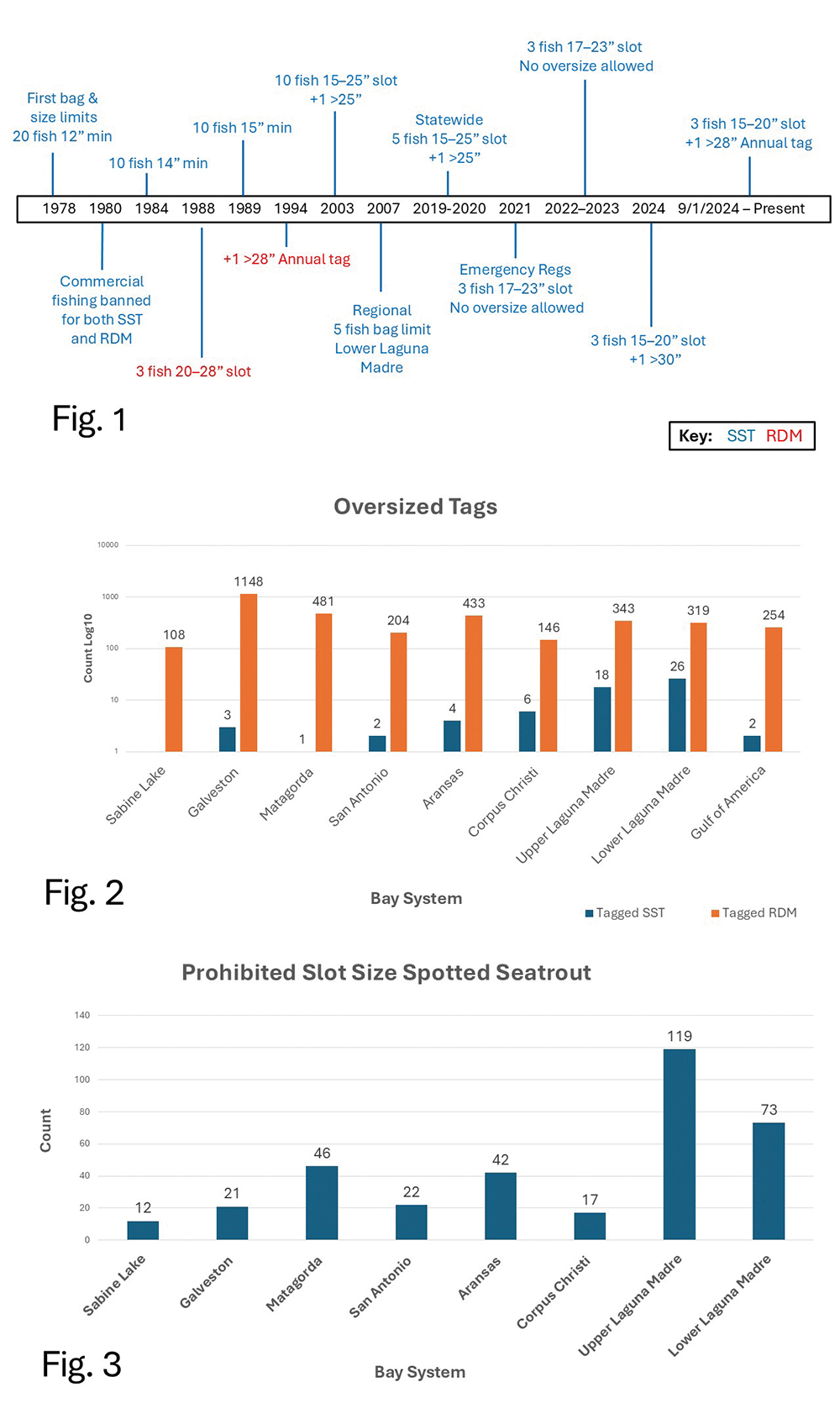
Fig. 1 Historical regulations timeline on SST and RDM from 1978-present.
Fig. 2 Counts of oversized tagged SST and RDM caught by bay system. Log transformed scale to allow for comparison.
Fig.3 Count of prohibited SST caught by bay system.
It has been a little over a year since the Texas Parks and Wildlife Department (TPWD) implemented the new oversized spotted seatrout (SST) tag on September 1, 2024. Now, the agency is taking a closer look at how the program and regulations are working along the Texas coast.
The current SST regulations consist of a three-fish bag limit and a slot size of 15–20 inches, in addition to requiring the use of an oversized tag for SST measuring 28 inches and greater. This mirrors the long-practiced system requiring an oversized tag for red drum (RDM).
In 1974, TPWD initiated a standardized statewide saltwater fish harvest survey. This long-running, coastwide program provides fishery-dependent data collected from anglers surveyed at boat ramps, wade and bank-fishing areas, private piers, and commercial lighted piers and jetties. Surveys conducted at boat ramps since the regulation change have allowed TPWD Coastal Fisheries staff to identify the bay systems—from Sabine Lake to the Lower Laguna Madre—where tagged SST were caught, assess angler compliance with the newly implemented regulations, and document the overall coastwide number of tagged SST reported each year. In addition, the program enables TPWD staff to compare the number of tagged SST with tagged RDM.
In the past, management regulations—including bag and slot size reductions for SST—have been implemented following major freezing events or due to other factors (e.g., angler preference) to rebuild or enhance stocks of this highly prized game fish (Fig. 1). This was the basis for the SST regulations following Winter Storm Uri in 2021, when an estimated 160,000 SST were lost coastwide. The freeze’s impact on the SST fishery led to temporary, more restrictive bag and length limits to support population recovery.
The previous regulation consisted of a five-fish bag limit with a slot size of 15–25 inches, which could include one fish over 25 inches. After collecting angler feedback following the post-freeze regulations, the current rule reduced the bag and slot size and introduced an oversized SST tag, which anglers can now also report through the new digital reporting system.
These regulatory changes were supported by the Texas public, with anglers and fishing conservation groups across the coast attending scoping meetings to voice concerns and advocate for greater conservation of larger, older SST. Anglers also expressed strong preferences regarding the oversized, or “trophy,” size class of spotted seatrout. Feedback gathered through surveys and public scoping consistently indicated that Texas anglers value opportunities to encounter and catch trophy-sized trout.
During the 2024–2025 period, a coastwide total of 62 oversized SST were observed or reported tagged along the Texas coast. Of these, only five were measured directly by TPWD staff using conventional tags during harvest surveys, while the remaining fish were digitally reported (Fig. 2).
It is highly probable that additional tagged fish were caught by anglers but went unrecorded, as some anglers may not have completed their trips at one of the survey sites or reported their catch digitally after using a traditional paper tag.
The absence of untagged SST among the five individuals observed indicates excellent compliance among saltwater anglers tagging their oversized SST. Likely not surprising to many avid anglers, the Upper and Lower Laguna Madre produced the majority of tagged oversized SST, contributing 78.3% of the total.
During coastwide harvest surveys conducted by TPWD staff from September 2024 to August 2025, TPWD staff encountered 15,358 SST, of which only 326 fish (2.1%) fell within the prohibited 20–28 inch slot. This indicates high angler compliance with the slot regulations (Fig. 3).
Compared to oversized RDM data, of the 9,503 RDM caught coastwide during the same timeframe, 2,665 were tagged as oversized. Oversized fish tagged with conventional tags consisted of 550 RDM encountered by TPWD staff, while the remaining 2,115 were reported using digital tags (Fig. 2). Galveston, Matagorda, and Aransas Bay systems contributed 77.4% of the total tagged RDM.
Based on these results, it appears that the long-standing RDM regulations, combined with the digital tag system, facilitate greater tagging compliance among anglers targeting red drum.
Unlike RDM regulations, which have maintained the same bag and slot limits established in 1988 (with the exception of the oversized tag added in 1994), SST regulations have undergone several bag and slot modifications over the years (Fig. 1). These regulatory changes often result in a temporary delay in angler compliance.
As a result of this delay, several oversized trout are still being harvested that fall between the prohibited 20-inch maximum and the 28-inch minimum tagging size. This can be attributed to incorrect measuring techniques, uninformed anglers, or poaching. The lack of a prohibited slot in the RDM regulations simplifies measurement and tagging requirements, making compliance more intuitive.
Additionally, the seasonality and abundance of oversized RDM in passes, bays, and Gulf waters may help explain the increased number of oversized tags being utilized. In contrast, oversized SST make up only about one percent—or less—of the population depending on the bay system, and they predominantly reside within bay systems.
In 2026, we expect to see an increase in the use of oversized digital tags as anglers become more accustomed to the digital tagging system. Although recent creel surveys indicate a high degree of compliance with updated SST harvest regulations, additional reductions in the number of fish retained within the prohibited slot (20-inch maximum to 28-inch minimum) are still needed.
More often than not, improper measurement technique is the culprit. Always position the fish correctly on the measuring board with the mouth closed and the tail fin compressed. This alone could reduce the take of illegal SST close to zero.
Let’s ensure Texas’ spotted seatrout fishery continues to thrive for current and future generations. And if you’re looking to cross a trophy trout off your bucket list, we recommend heading to the south Texas coast!