
Restoring Nature, Revitalizing Recreation: Where Conservation Meets Play
At the heart of Texas Parks and Wildlife Department’s (TPWD) mission lies the commitment to conserve the natural and cultural resources of Texas ensuring that future generations can enjoy the state’s unique hunting, fishing, and outdoor recreation opportunities. This mission goes beyond just managing the state’s natural resources; it includes restoration. Through a collaborative partnership with the Texas General Land Office (GLO), Texas Commission on Environmental Quality (TCEQ), National Oceanic and Atmospheric Administration (NOAA), U.S. Environmental Protection Agency (US EPA), U.S. Department of Agriculture (USDA), and the U.S. Department of Interior (DOI), TPWD is part of the Deepwater Horizon Texas Trustee Implementation Group (Texas TIG). This group is dedicated to restoring the state’s natural resources that were injured by the 2010 Deepwater Horizon oil spill.
The Texas TIG funds a variety of projects that provide both ecological uplift to natural resources and enhance recreational opportunities for the public. These projects serve TPWD’s mission to restore and protect the state's natural and cultural resources. Here are just a few of the remarkable projects made possible through these collaborative efforts.
McFaddin Beach: Restoring a Delicate Coastal Ecosystem
The McFaddin Beach and Dune Restoration Project has become the largest beach renourishment initiative in the state. This vital project is not just about adding sand – it's about preserving the natural defenses that protect both the landscape and wildlife from the effects of saltwater caused by storms and human activities. Historically, dunes along Texas' coastline acted as a barrier, absorbing the brunt of storm surges and preventing saltwater from invading the interior marshes. These dunes weren’t just beautiful – they were essential. As the dunes eroded, saltwater began seeping into the interior marshes, killing off plant communities and turning what was once a vibrant marshland into open water.
Through this large-scale project, sand was added to more than 14 miles of beach and dunes, effectively rebuilding the dunes to their former glory. To ensure long-term sustainability, native vegetation was carefully planted along the newly restored dunes to stabilize the area against future erosion. These plants are more than just decoration—they are essential in anchoring the sand and preventing further degradation of the shoreline. The newly nourished beach is a beacon of hope for both wildlife and residents alike. It provides essential foraging and nesting habitat for birds and burrowing invertebrates, offering refuge to species that rely on these coastal ecosystems for survival. For the Salt Bayou ecosystem, it acts as a buffer, absorbing the impact of future storms and protecting the delicate balance of life that depends on it. The revitalized McFaddin Beach is now open to the public, inviting Texans to enjoy the natural beauty of the Gulf Coast once again. Whether it’s building sandcastles, wading in the warm Gulf waters, fishing along the shore, or bird watching, the restored beach offers countless opportunities for recreation and relaxation.
Sea Rim State Park: Enhancing Recreational Infrastructure
Nestled along the windswept upper coast of Texas in Jefferson County, Sea Rim State Park is a hidden gem where marsh meets the Gulf. Spanning more than 4,000 acres of coastal wetlands and boasting two miles of undeveloped beach, the park has long been a desired destination for birders, anglers, paddlers, and beach lovers alike. The Sea Rim State Park Improvements Project added a set of thoughtfully designed amenities that make it easier and more enjoyable to connect with nature.
The upgrades include two wildlife viewing platforms, a fish cleaning shelter, and a comfort station. The viewing platform at Fence Lake sits about 30 feet offshore, accessible only by watercraft. Fence Lake is a shallow, tidally influenced body of water. From the platform, visitors are rewarded with sweeping views of the surrounding marsh grasses and an elevated vantage point for spotting wildlife.
The Willow Pond boardwalk and platform offers a more accessible option for wildlife watchers. This boardwalk is fully ADA-compliant. It opens up the wonders of the marsh to all visitors, including those with limited mobility.
For those who come to fish, the fish cleaning shelter is a welcome addition. The 10-by-10-foot facility gives anglers a convenient and clean space to prepare their fresh catch. It’s a simple upgrade that makes a big difference in keeping the area tidy and user-friendly.
Last but not least, the comfort station features a concrete walkway and a vault toilet. The facility is both ADA-accessible and strategically placed for boaters, duck hunters, and wildlife enthusiasts. Whether you're headed out for a paddle or wrapping up a morning of birdwatching, it’s a welcome bit of convenience in the heart of the marsh.
These additions make a big impact on the visitor experience. Whether you're visiting Sea Rim State Park for the first time or rediscovering a favorite spot, there’s never been a better time to explore what this coastal treasure has to offer.
Artificial Reefs: Building Underwater Havens
The Texas TIG has also provided recreational opportunities below the water’s surface. Artificial reefs are often seen as an oasis in the desert. These underwater havens attract fish to predictable locations. The Texas TIG funded three artificial reef projects along the Texas coast.
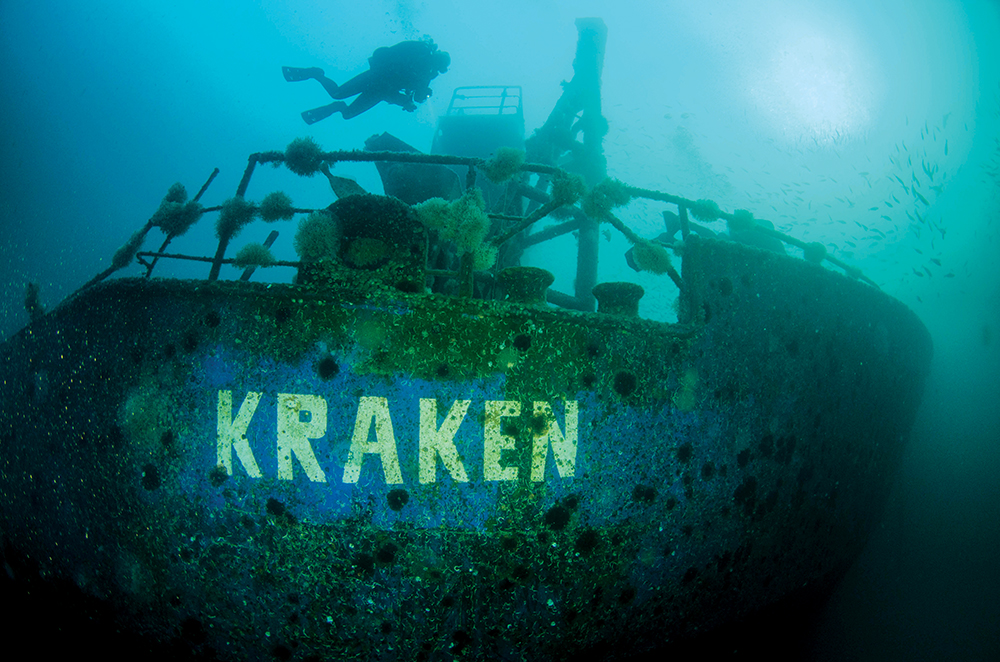
Two of the Texas TIG’s projects involved submerging concrete pyramids 6-10 miles offshore, providing easy access for recreational users such as fishermen and divers. Between the two projects, over 2,400 concrete pyramids were submerged. The third project took it a step further, submerging a massive 371-foot ship named The Kraken. Almaco, Red Snapper, and Amberjack have been attracted as frequent visitors to this reef. This site has two mooring buoys to aid in diver and angler access and is located along the route many use when visiting the Flower Garden Banks. All three projects provide divers and fishermen with a unique and exciting way to connect with the Gulf’s diverse marine life.
Looking Ahead: The Future of Texas’ Natural Resource Restoration
As these projects demonstrate, the Texas TIG’s efforts have made a tangible difference in enhancing recreational opportunities for Texas while conserving natural resources. The group’s continued work will help ensure that the state’s coastal habitats, wildlife, and ecosystems will continue to thrive, providing both recreational opportunities for Texans and a sanctuary for the diverse species that call the Lone Star State home.
To learn more about these projects and the Texas TIG’s ongoing restoration efforts, visit NOAA’s Gulf Spill Restoration Website.