

The Right Shoes
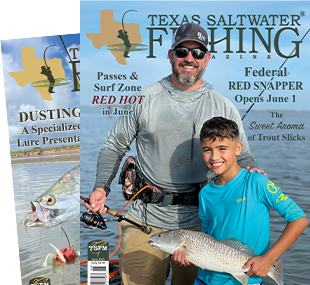
Last weekend during a bay tournament, one of our club member’s sons (going into the 8th grade) hopped out of the boat to wade for redfish on an oyster reef. Unfortunately he was wearing a pair of rubber “slide shower sandals” with lots of exposed feet. He soon received an oyster cut and limped back to the boat.
Better to learn young. I have this thing about wearing proper shoes while fishing, except on warm spring days jigging for crappie on small ponds, which is pretty tame. With saltwater it’s a different ballgame and I learned it while young. In the 9th grade we’d just brought my 12-foot aluminum boat halfway down Sabine Lake, and it took awhile pushed along with that 5-horse Evinrude. It was a chilly boat ride, though sunny, and we were glad to reach Pleasure Island Marina. My friend kicked off his shoes and strolled happily across the marina’s un-mowed lawn, but then stumbled over a piece of old fashioned, Coke bottle glass. His big toe was in bad shape, part of it missing, and our day went downhill fast. They hauled him off to the hospital in Port Arthur. Remembering that day still makes me wince and ever since, I’ve worn shoes around saltwater. Or marinas, for that matter.
You really want a proven pair of shoes, while avoiding something borrowed. Twice I’ve put on loaner fishing shoes and paid the price, suffering my worst two boat injuries.
One incident happened at the Sabine jetties. My friend’s dad was a football coach and every May he was left with a half dozen pair of sport shoes left behind in the lockers. A last-minute summer trip to the rocks in 1978 was in order, so I grabbed a pair of low-sided track shoes popular back then and we headed out of Sabine Pass. Stepping out onto the jetties, my feet went out from under me and I landed almost face first on that oyster and barnacle-covered wall, sticking my hands out at the last moment. I sprawled half in the water, my hands chewed up. From there it was straight back to town and the hospital, where I’ll spare the details, except they probably heard me screech on the next floor when that oyster was yanked out of my palm. Nice work, but next time maybe they should numb it first.
The other injury was 15 years ago while visiting relatives on Florida’s Atlantic coast. We were going wade fishing in the bay, so I borrowed their son’s worn-out Croc rubber shoes that were smooth on the bottom. We were only wading the bay, right? However, at the gas station there was a change of plans: we would cruise along the Atlantic beach in their small boat, standing up to watch for surface-cruising ling. It was choppy, the boat got wet, up on the bow I finally slipped and cracked a rib on the gunnel. Which was a new experience. I gulped down an Aleve pain pill and we cruised back a dozen miles, where I finally spotted a single ling cruising the waves. An accurate cast nailed that fish and we actually released it. But the cracked rib left me gasping whenever we drove over neighborhood speed bumps.
Wearing the right stuff
Surf I wasn’t part of the serious surf-wading crowd from Galveston to Freeport years ago, but Joe Doggett certainly was. I recently asked him what kind of wading shoes did those salty regulars prefer? “High Top Keds, for sure!” he says. “The first booties I recall were carried by Orvis Houston to support the early (mid-80s) trips to Christmas Island they coordinated with Frontiers Travel (Japanese reef walkers, heavy nylon mesh split-toe pull-ons with hard rubber soles, very uncomfortable. Then they offered the neoprene zip-ups.”
Those upper-coast surf waders, the heavy hitters earning stringers of magnificent trout, often had to swim out to the third sandbar and once there in armpit-deep water, fired plugs and spoons and hopefully reaching green water where the big trout bite. An early morning rising tide was often best, but it was a hazardous sport and over the years not everyone made it back to the beach. Those canvas High Top Keds could be swam with and felt protective against sharp object such as rocks or storm debris, or maybe a glancing hit from a stingray. Might have to kick a shark, too. Safely back home, those shoes could be hung up to dry without rotting, at least for several years.
Jetties I know for a fact you can swim with those Keds, because that’s what we wore on the Sabine jetties, our home turf. We much preferred walking the rocks but sometimes the wind came straight down the jetties, so we couldn’t toss the anchor onto the jetty itself or the boat would quickly drift into rocks. So, we’d anchor from 10-20 yards out and clutching our red reels, would yell together and jump overboard, startling nearby boaters. We dog-paddled in 25 feet of water to the rocks, stuck our Keds out in front of us, foot-groping for submerged, flat rocks. Soon we were up and walking the wall that was covered with algae-covered oysters and barnacles, which offered good footing purchase. Firing casts both left and right into the ship channel or Gulf.
That jetty wall was high-energy and awash at high tide, very tricky when a passing crewboat or the Sabine pilot boat roared past, slamming us with 2-3 foot wakes that washed away all fish left unstringered. The trout floated, prompting a dog-paddling retrieve, but the mackerel always sank. It was big fun in our 20s, unless someone slipped and fell badly. (If only we’d had sturdy Fish Monkey gloves back then). We didn’t even have a Doc-in-the-Box back in Port Arthur, only a Jack-in-the-Box, but we did have St. Mary’s Hospital. Our jetty technique was deadly effective and we strung countless trout while boaters anchored nearby glumly watched. Redfish were more scarce back then and we released them, always in the 24-28 inch class, drawing verbal dismay, if not outrage, from others. For the locals, watching someone release prime gamefish was akin to watching a UFO land in their backyard. All those years walking the jetties, and our feet felt bullet-proof with those high-top Keds.
Even with cuts and scrapes we somehow never got a Vibrio infection out there; I suppose we were too young and healthy. In fact, we never heard of Vibrio. Today, you seldom see walkers on that jetty, much less guys swimming to the rocks. Boats now cruise silently up and down the jetty wall using electric motors, safe from falling and able to pummel the rocks with all manner of plugs, jigs and spoons without even getting wet. It’s certainly not the elemental experience we once had. Today that jetty has subsided and the cement wall stays underwater, offering no protection from Gulf waves.
Offshore Boating and fishing offshore requires a different kind of shoe. Back in the day, many wore salty leather Rockports that offered no padding from constant wave-shock. I wouldn’t doubt those shoes gave a few fishing guides sciatica, pain running down the side of their legs. Aboard billfish boats, Rockport shoes were standard and stylish and fine on those big boats that weren’t slamming down hard like the smaller boats. Except our local POC billfish tournament, where boat crews had to fish often in seriously bad seas. Aboard our 21-23 foot boats far offshore, we needed better footwear. In the early 1990s I scored a pair of New Balance shoes and I soon added additional padding with Dr. Scholls inserts. They worked great and we’d spend three days and two nights offshore during the big tournaments, standing up all day. There was little leg fatigue and no pain, though when 30 years old you can endure a lot.
I did get fasciitis once and I’m not sure where it came from, but it’s a painful deal where your foot tries to curl up. Walking is painful and the best cure is by rolling a frozen water bottle back and forth under the foot. I remember getting back to Nederland to a friend’s house after a long day offshore. I stepped out of his car at the curb and fell face-first onto his lawn; my foot would carry no weight. I hopped on the other foot into the house. Rolling a bottle under that foot brought soothing relief. Maybe it was caused by too many wave impacts that day but the condition lasted for weeks.
Bays Those South Texas whitecaps usually arriving after 10 a.m. are hard on the guides who stand all day, and it was worse back when their boats were smaller and slower than today’s. A favorite guide in Port Mansfield told me he developed really painful sciatica (inflamed nerve down the leg) and had to retire from fishing, after too many miles and whitecaps in the Laguna Madre. Not sure what footwear he wore, but I doubt he was barefoot or wearing flip-flops.
Anything is better than going barefoot, out there. I’ve had hooks stuck in my shoes, and a hardhead catfish fall into the boat and vault over the top of my shoe after giving a little poke of its poisonous fin. Snapping kingfish (back when they were plentiful) on deck around my feet. Some carried a thrashing 7-inch Rapala trolling plug on their jaw with big rusty treble hooks flailing. Algae-covered concrete boat ramps that sent Amy and me sprawling in 1980; we were still wearing flip-flops while launching the boat. Whoops! But we were young enough to bounce off the concrete.
I still wear a newer pair of Crocs during warm weather trips along the coast when I’m in the jonboat, where I seldom have to stand up; I still use a tiller motor. We frequently land the boat and jump ashore to throw the castnet, answer Nature’s call, or to push the boat loose as the tide drops out, and the Crocs are great if the bottom is firm. I also have a pair of Huk short boots, and they’re good for that same job during winter, though they’re a little warm in summer. We often launch the jonboat at primitive boat ramps closer to the fish, sometimes even in the surf, where we have to wade to launch or retrieve the boat, and those rubber Crocs work best. They also drain and dry quickly.