

A Different Kind of Summer
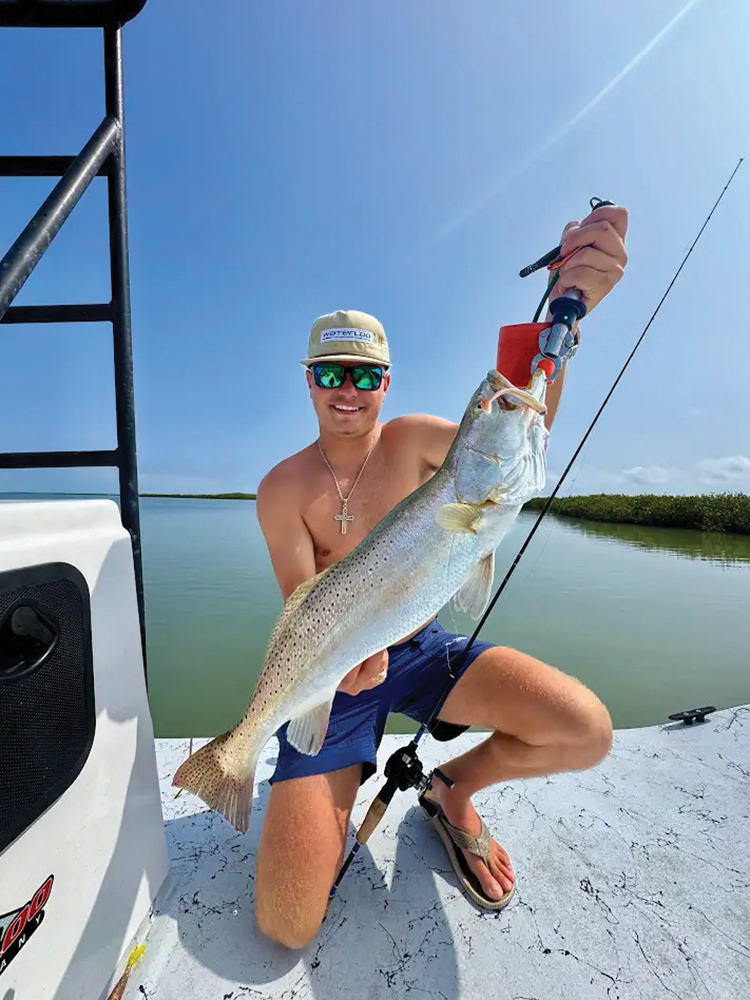
Fishing in general has definitely been on the slower side lately, but one thing that's really stood out this summer has been the numbers and size of the trout we’ve been catching. Even on days when the bite feels tough and you're having to grind it out, there always seems to be trout around. Honestly, it feels like we're seeing more trout throughout the system than we have in a long time, and that has been encouraging to say the least.
I think a lot of that is because of the changes in our trout regulations. At first, the reduced limits were a tough adjustment for lots of anglers, but I truly believe we're starting to see the positive effects from those decisions. There seem to be more fish spread throughout the bay, more quality fish showing up, and an overall healthier trout population than we've seen in the Lower Laguna in recent years.
As guides, we're on the water almost every day, and you begin to notice trends over time. While fishing this summer as a whole has been slower than what many of us expect during the summer months, the trout have remained a constant bright spot. There have been plenty of days where the redfish haven't cooperated, but we've still managed to put together solid catches of trout and see good numbers of fish throughout the day.
Another thing that has really influenced fishing this summer has been the amount of rainfall we've received. From what I can remember, this has been one of the wettest summers we've had in quite some time. Personally, I think that's a really positive thing for the overall health of the bay system.
All this rain has definitely made things more challenging at times, though. Some of our back bays and shallow basins have essentially turned into freshwater lakes. Salinity levels have dropped significantly in certain areas, and fish respond to those changes pretty quickly.
Redfish are much heartier than trout and can tolerate a wider range of conditions, but they're still accustomed to living in a highly saline bay system. When conditions become too fresh, they tend to relocate and search for those areas with more stable salinity levels. Sometimes that means fish push toward deeper water, passes, or areas where tidal movement keeps saltwater circulating through the system.
Because of that, fish have definitely been a bit more scattered than normal this summer. We've had to cover more water, stay patient, and really pay attention to changing conditions. It's been one of those years where timing matters more than ever. You might fish through a slow stretch for hours and then suddenly everything lines up and the fish decide to feed.
That's just part of fishing in a dynamic system like the Lower Laguna Madre. Every year brings something different, and learning to adapt is what keeps this fishery interesting. Despite the slower overall fishing, it's hard not to be optimistic about what we're seeing with our trout population. Watching these fish rebound and seeing more quality trout spread throughout the bay gives me a lot of confidence that the conservation efforts are working. It may not always translate into easy fishing, but healthy fisheries rarely happen overnight.
For now, we'll keep adapting to the conditions, following the fish, and appreciating the fact that we're seeing signs that our trout fishery is moving in the right direction. Hopefully this is only the beginning, and the years ahead continue to show the benefits of the decisions made to protect one of Texas' most valuable resources.