
Fly Lines
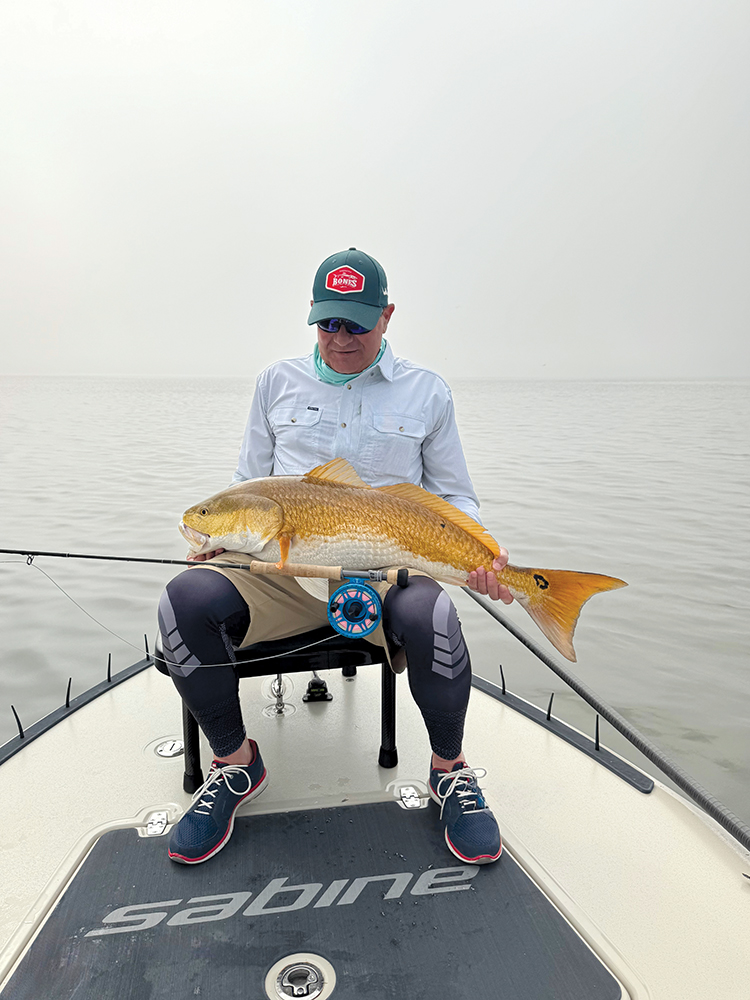
In the world of fly fishing, your fly line is everything. Unlike conventional tackle, where the weight of your plug, soft plastic, or spoon loads the rod to determine the distance of your cast, fly casting is reliant on the weight of the line itself. Too light of line, and the angler may have a hard time getting the rod to load; too heavy, and the rod will flail around like a wet noodle, lacking the power to cast much distance with any accuracy.
Matching a line to the rod for a given situation is an essential but complex endeavor. To further complicate things, even fly lines of the same size may vary in weight, model to model. This measurement is known as grain weight, which is the weight of the first 30 feet of fly line. These standards or weights are set by the organization known as AFFTA. By AFFTA standards a 7-weight fly line is supposed to be around 185 grains and an 8-weight line 210 grains. That being said, a popular saltwater fly line such as the RIO Flats Pro in 7-weight is actually 210 grains. I believe what we have seen happen in the last many years as rods have gotten faster and stiffer; line manufacturers have built heavier lines to compensate. So, for example, in some cases a 7-weight rod may cast more like an 8-weight. On the flip side, my Scott Wave rods cast great with a true to weight line and will load very easily with one that is an extra half-size heavy. This is why it’s so important when buying not only a fly rod but a fly line to visit a first-class fly shop such as Gordy & Son’s Outfitters to test cast many different fly lines on your rod to find the best match. They have fly reels spooled with almost every line on the shelf, and a casting pond to boot for the most realistic testing grounds. With modern fly lines costing on average of $100 a pop, it pays to try and find the right line the first time.
Aside from lines being different weights, they are made in different shapes as well. These shapes or “tapers” can further “dial in” your outfit for certain fishing scenarios. For example, if I’m going on a trip where I know most of my shots will be made into the wind, without a doubt I would use a Scientific Angler Grand Slam line. I didn’t like this taper for years until I realized what it was really good for. It has a very blunt front taper that quickly transitions into a very elongated rear taper. This helps punch your cast into the wind to turn the leader over, even with a weighted fly. The line being three quarter-size heavy certainly helps with this as well. However, for fishing downwind on your average Texas shoreline this wouldn’t be my first choice. Most people automatically go to the “redfish” tapers, but I’m not a fan of them. Reason being the heads are very short, typically 30’ which is great; a lot of our shots are close, but for casting to anything outside of 40’, you’re now fishing in your running line; which is much thinner and more prone to tangles. Aside from that, I do not know why, but I have tried the redfish taper of three different manufacturers, and they all seem to not want to turn the leader over cleanly. Could be user error, but that’s my personal experience.
What I have found is basic saltwater taper lines in 40’ head range work exceptionally well. Currently, my go to line is the Scientific Anglers Mastery saltwater floating line. It’s a half-size heavy line which helps load my Scott Fly rods quickly, and the head length is 37.5’. Therefore, I have a range of about 47’ before getting into the running line. My favorite part about this line is the price. The Mastery series of lines are on the lower end of the Scientific Anglers line up and retails at $80. I would put the Mastery series of lines up there with other brands top shelf lines any day of the week.
For more advanced casters, there is a taper that SA calls Bonefish Plus, which is a 50’ head and similar in shape to the Grand Slam, but only a half-size heavy. This line was recommended to me by Baron at Gordy and Sons, and I can attest it is an absolute missile. With a high-end rod such as the Scott Sector, no fish swimming within 90’ is safe.
As you may be able to tell by my line recommendations, I am a big fan of Scientific Angler fly lines. Funny enough, they are the first fly lines I remember buying more than 20 years ago when I got into this sport. Since then I have tried all the other brands of fly lines available and about two years ago I made the switch back to SA. I truly think they are the best fly lines on the market. The coatings of their lines simply last longer, giving you more bang for your buck. I also appreciate the grain weight offerings of their saltwater tapers being half-size or three quarter-size heavy, a nice option instead of having to go up a full size heavy, which often can feel like you’re overloading a fly rod.
No matter what brand of line you choose there are a few important things to look for. First off, make sure it’s a tropical style line. These lines will have coatings that are made for warmer climates and just perform better in Texas. Most tropical lines, but not all, are made on a monofilament core. Mono core lines are my personal preference; I think they handle better and get fewer tangles. Basic saltwater tapers, or “all-purpose tapers” with a head length around 40’ seem to work very well in most scenarios. Pay close attention to the grain weights on the back of the box, as this can vary as much as a full weight or even two, depending on the exact model of line. Lastly, if at all possible, visit a fly shop with test lines available and cast as many as you can. Until next time, tight loops.