
From One End to the Other
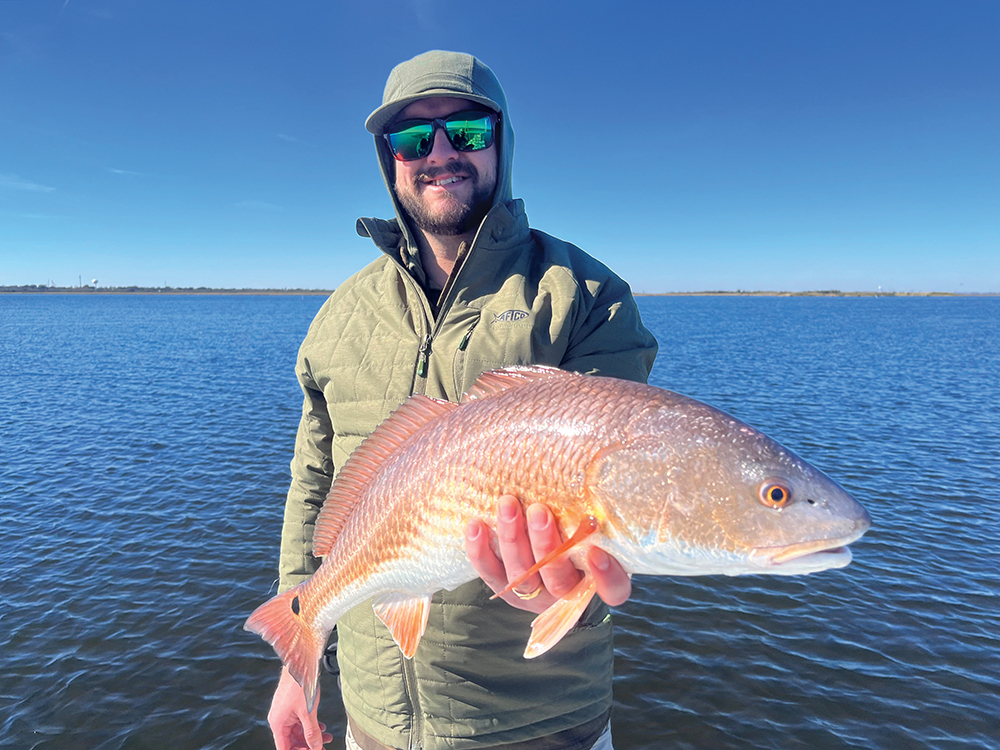
On the Texas coast, winter has finally set in, and that means air and water temperatures are becoming more stable on the cold side. Weather and water temperatures over the next few months will still fluctuate with the arrival of cold fronts, but for the most part you’ll see only moderate changes during any given day—unless a real screamer of a norther makes its way to the coast, which can drop water temperatures to dangerously cold levels. Fishing can be surprisingly productive during winter, and I love taking full advantage of the opportunities this time of year provides.
One of my favorite aspects of winter fishing is that an angler can go just about anywhere on their lake or bay and find fish. Now, I don’t mean you can stop at any random spot and expect fish to magically appear. What I mean is that redfish and trout will be holding true to their winter patterns and can be found in bayous, flats, shallow marsh areas, and even at the jetties. Fish tend to group up this time of year, and once you find them, you’re usually in for a fun day.
When fishing during the colder months, it’s often said that deep water is the key. I’m not arguing that point—it’s true—but that doesn’t mean every fish is glued to the very bottom of the deepest water around. Another bonus of winter is improved water clarity. Sight-casting can be as good as it gets any time of year, and personally, I believe winter may actually be the best time of year for it.
When the forecast calls for decent weather with plenty of sunshine, I usually head straight to the marsh. Redfish will be nosing around, looking for an easy meal. To catch them, I like to throw lures that put off a lot of vibration. Quite often my go-to will be a Z-Man Chatterbait or a swimbait with a large paddle tail. In the swimbait category, I prefer a Keitech rigged on a 1/8-ounce belly-weighted swim hook. I believe the vibration from that tail gets a redfish’s attention and triggers a strike, even when they’re cold and sluggish. Overlooking the marsh during this time of year can be a serious mistake.
Starting in early February, I tend to jump out of the boat and wade more. Our trout fishery has bounced back tremendously over the past few years, and I think we’ll finally start seeing better fish caught on a more regular basis. I’ll be wading shallower flats near drop-offs into deeper water. I’ve found trout like to sit along the edge of the flat and begin feeding once the tide starts dropping out. They wait for bait to be pulled across the flat and into deeper channels, and that’s when they really turn on. I like casting a Corky or soft plastic and letting it drift naturally with the moving tide. This can be extremely productive—so hang on to that rod.
When it comes to fishing deeper water, I usually take one of two approaches. The first is targeting bayous and drains, which I save for days with less-than-ideal weather. Let’s be honest—you’re not always going to have perfect conditions during winter. We all have spots that are protected from the wind and can be safely accessed and fished. For me, deeper bayous are a go-to under these conditions, and the fishing can be excellent. Fish seek deeper water for refuge from the cold but still need to feed. Water movement is a must in these areas. I focus on bends in the bayous where holes are deeper and where shallow marsh ponds drain back in. The water flowing from those ponds is often slightly warmer—a perfect recipe for a few big bites. Along with Chatterbaits, I also like throwing a Rat-L-Trap or slowly jigging a Chatterbait along the bottom. Creating vibration is a key factor in attracting bites during cold-weather fishing.
My second approach is fishing the jetties when I’m able to get there. This time of year, bull redfish will school up and tend to hold on specific sections of the rocks. It may take some time to locate them, but once you do, set the anchor and enjoy. As with other winter patterns, water movement is critical—preferably during a falling tide. I usually start with a Texas-rigged Gulp! shrimp using a 1/2-ounce bullet weight and a 5/0 offset hook, rigged weedless—or in this case, rock-less. Bounce the rig along the top of the rocks, then slowly drag it off and let it fall. It usually doesn’t fall very far before a big bull eats it.
I’m excited about fishing over the next few months. Winter is one of my favorite times to be on the water and can lead to some incredibly successful days. If you’re planning on getting out there, pay close attention to the weather—it can change quickly. Be careful, wear your PFD, and go catch some fish.