
January: Slowing Down, Stepping In, and Settling Into the Winter Grind
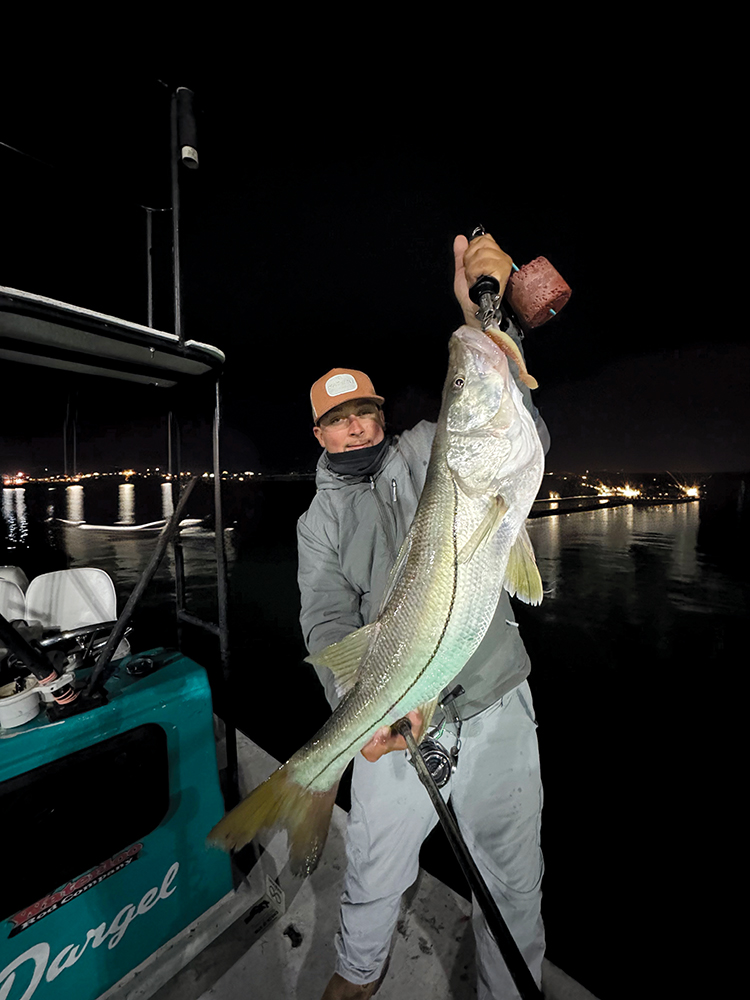
January usually marks the point where everything on the coast shifts pace. The mornings get colder, the wind carries a different bite, and the bays settle into their winter rhythm. But truth be told, the fishing has been solid. Clients have been coming out and having a great time. Whether we’re sight-fishing those calm windows or easing down a shoreline on a good wind pattern, everyone feels that anticipation building—because this is the time of year when fish start stacking weight and acting exactly like they’re supposed to. Each cold front seems to set things up a little better.
This is also when I really transition into wade fishing. As water temperatures drop, wading simply makes more sense. Fish aren’t moving fast, and neither am I. Slowing down becomes part of the program. From the boat, you can cover ground efficiently, but you miss the small things—the subtle pushes, the faint shifts in bottom texture, the way bait gathers or scatters around a pocket. On foot, you see and feel all of that. You work an area the right way, not just pass through it.
Cold water changes the entire mindset of the fish. They don’t want to burn unnecessary energy, so they slide into areas where the bottom gives off a little warmth. Sand pockets, mud flats, darker bottom transitions—those become their heaters. You’ll even feel it yourself sometimes: a slightly warmer patch around your legs, or a softer piece of bottom radiating stored heat. That’s where they sit, and wade fishing lets you target those zones instead of drifting right over them.
Picking apart winter water requires slower, more intentional fishing. Casts aren’t wasted, retrieves aren’t rushed, and you learn to trust that a fish is there even when you haven’t seen a sign yet. Some days the bite is soft enough that you question whether you felt anything at all. Other days, they eat like they’ve got something to prove. But the pattern stays consistent—if you stay patient, stay on the right bottom, and move quietly, you’ll find them.
This is also the time of year when the right gear matters. That’s why I lean on my Waterloo Carbon Mag in winter. It just fits the style of fishing January demands. When I’m working Corkys, Soft-Dines, suspending baits, or even a topwater on the rare warm afternoon, the rod loads smoothly and casts with almost no effort. That becomes a big deal when you’re chest-deep, grinding through a long wade, or casting all day.
But what really makes that rod shine is the sensitivity. Winter bites aren’t always the big thumps people imagine. More often it’s a faint tick or that sudden “nothingness” feeling in the line. The Carbon Mag translates those tiny signals straight into your hand. When a trout noses a Corky or a red lightly breathes on a lure, you actually feel it. In cold water, those subtle cues are the difference between hooking a fish and never knowing it was there. That sensitivity isn’t hype—it’s a true tool this time of year.
Winter wading forces you to fish with intent. There’s no rushing. You’re not hitting fifty spots or cycling through the whole tackle box. You’re committing to an area, reading the bottom, watching birds, watching bait, and trusting your instincts. It’s a slower grind, but it’s the kind of grind that makes you a better angler. January rewards patience more than anything else.
And if the first part of this month is any indication of what’s coming, we’re in for a strong winter. These fish are thick, the bait has settled, and every front seems to set the next few days up perfectly. As long as the weather cooperates, the wade bite will only get more consistent. Broader shoulders on the trout, heavier bellies on the reds—this is when they put on real weight.
January may feel slow on the surface, but the fishing is anything but. It’s more technical, more hands-on, and more rewarding. And from what I’ve seen so far, I’d say we’re just getting started.