
Spring Surf Fever
While I type, I can smell the emerging change and associated migratory chaos in the air. The refreshingly cool sea breezes of March blow over our Texas surf like harbingers. Many of us have laid around waiting for better weather for the last three months. Those folks should realize the long standby is rapidly coming to an end.
After a briefly cold winter, we’re back on track for warmer times as spring approaches on the calendar. March and April are months of magic and mystery along the Coastal Bend. The diversity of expected species—and the number of “possible” ones—can be mind-blowing. When favorable conditions come into play, spring is my absolute favorite time of year.
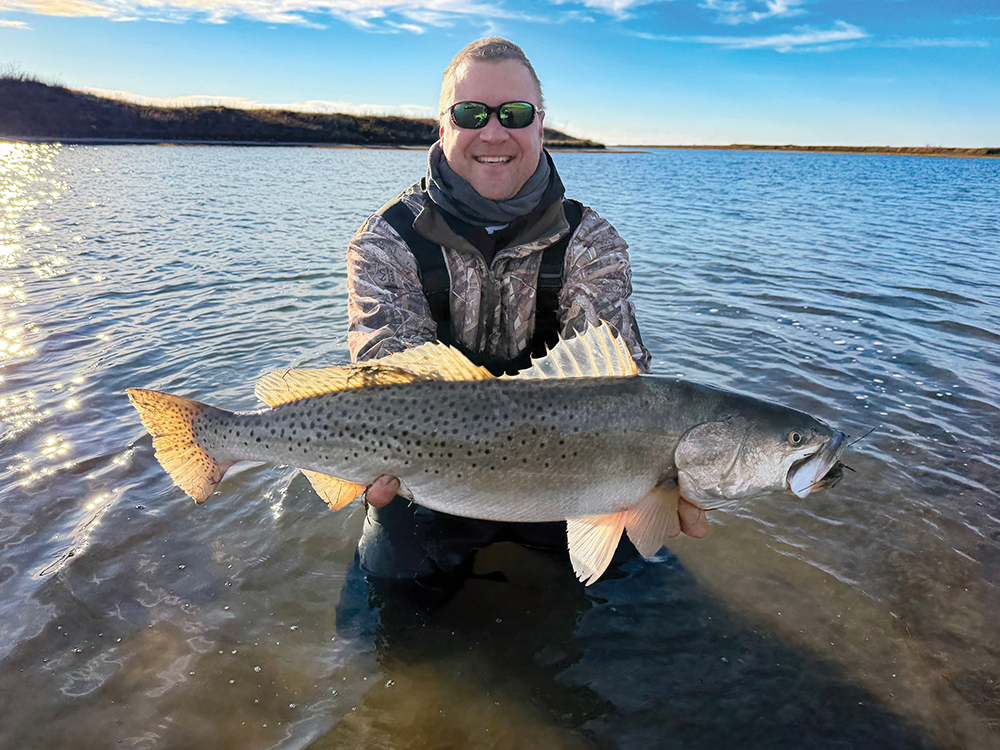
Different seasons offer a different variety of fish to anglers most anywhere; this is certainly true in the surf. Cooler winter beachfront water contains a high concentration of large red drum, pompano, and fierce sandbar sharks. As the water warms up, they get their last bit of fun and feeding before their numbers dwindle. Meanwhile, other species start running back in.
The end of March is often a prime time for the arrival of jack crevalle and Spanish mackerel. In some cases, we may even get a run of pelagic little tunny (bonito). With the arrival of new species, sharks are sure to follow.
Historically, March is a time when we see large, pregnant blacktips frenzy-feeding in the beachfront shallows. We also see our first signs of scalloped hammerheads. In fact, spring offers Texas anglers shots at ten or more species of sharks. No timeframe offers a better chance to see an unusual toothy critter.
The reason for this comes from the nature of the season. When the weather warms up, seasonal migrations begin. The timing of these events is far from an exact science. In some years, late fronts delay the action well into March, while in others, the action reaches a fever pitch much earlier. Calm lulls in the spring wind bring good water clarity, transforming the Gulf into an oasis for many species traveling inshore.
At times like these, little tunny may make an extremely rare appearance in the surf. These torpedoes, slightly larger than a football, are pound-for-pound one of the hardest-fighting fish in the ocean. It’s important to note these fish are feeding on very small prey—fish less than two inches in length. Because of this, targeting them with tiny silver spoons and flies can be the only way to catch them.
Florida pompano also show up in the surf this time of year, under the right conditions. They’re a highly sought-after species earlier in the winter. In December, we had a stellar start to the pomp season. I had one trip where I landed over seventy-five of these tasty critters. Early in the season, the fish normally run larger. But even at the end of winter, catching a bunch of eating-sized pomps is possible.
There are tons of different pompano rigs on the market (the catchsharks.com ones are my favorites). Personally, I’ve been baiting my leaders with a combination of Fish-bites and Fish-gum synthetic baits on 3/0 circle hooks. Some people use shrimp, but I find the synthetic baits work well to diminish the hardhead bite as much as possible.
Brute-sized redfish in the surf will remain abundant until April. Then, the numbers of slot fish will rise. December and March are the months when we usually encounter our largest red drum of the year. This time of year is one of the best to take a kid fishing and get them hooked on the thrill of landing a bull measuring more than forty inches.
I, and many others, have caught more bull reds than most would ever expect in a lifetime. This fish puts a giant smile on kids’ faces. Any time my charter clients have kids, I really try to get them on a bull red. While the bulls are surely big enough to create a sense of awe, a kid can still reel them in. And when the kid wins the fight, their smile says it all.
Other fish present in March have similar abilities to paint smiles on anglers’ faces. While jacks and mackerel will likely make their presence known toward the end of the month, the sharks bring their magic to the party earlier. Being a shark guy at heart, this is my domain. I absolutely love the first half of spring. The potential during this period revolves around the weather and water conditions.
Cooler weather patterns will keep much of the shark action restricted to sandbar sharks, blacktips, and smaller species. In warmer weather, we can expect the unexpected. I’ve caught Spring Break tigers before and hope to do so again. I’ve also wrestled—and won—matches with giant hammerheads before the end of the month. And in the right conditions, even a mako shark might be caught from the Texas surf sand.
If targeting the smaller sharks—those measuring seven feet or less—whiting, pompano, and sheepshead make perfect baits. For a better chance at true monsters, big baits work better. Certainly, a whole jackfish can draw the strike of a lifetime.
The month of March can bring many blessings, including a huge variety of species. The downside is the difficulty of targeting a specific kind of fish. Anyone bound and determined to catch a shark should be willing to regularly change out their baits. Those after reds and jacks should dedicate themselves to maintaining their lines. Anglers after little tunny should commit to fishing with fly gear.
To my knowledge, my mentor—the late, great Billy Sandifer—is the only person to accomplish the task of catching a little tunny on fly from a Texas beach. I get a lot of fly-fishing gurus on my charters, and this is one of those feats we all dream of accomplishing. March is a perfect month to try. We’re willing to put up with all the whacky weather while we do.
This month, remain alert and make and maintain your beach camp accordingly, expecting dense fog at nearly any time of day or night. Beyond spring, my book is quickly filling up. Anyone interested in a charter should mention this magazine when they contact me, and I’ll offer a discounted rate on the trip.