
The Fine Line Between Good and Great
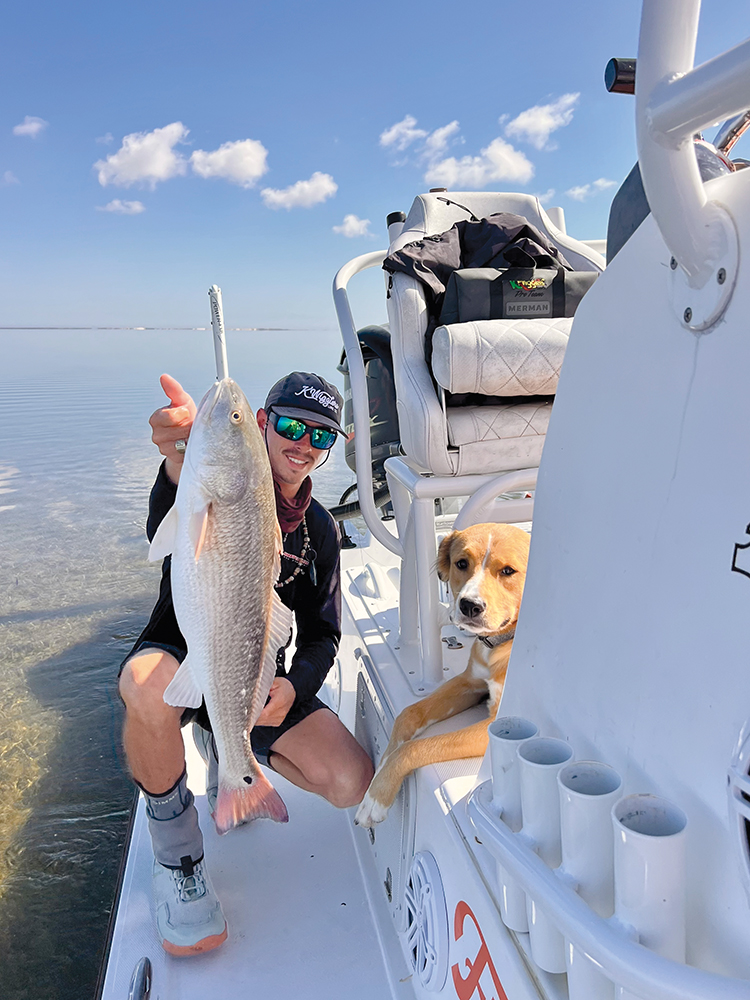
Every year the Texas Saltwater Legends Tournament brings together some of the best anglers on the coast in Port Mansfield. It’s a high-caliber trout tournament built around a live weigh, live-release format. The entry fee is steep, but so is the payout. This year’s first-place purse was right around $90,000, which definitely raises the stakes and brings out some serious competitors.
This year my tournament partners were Wayne, David and Sonny Hinojosa. With a field full of talented anglers, we knew preparation was going to be everything. We spent a lot of time pre-fishing leading up to the tournament, trying not only to find fish but to stay on them consistently. Anyone who fishes the Texas coast knows that locating good trout is one thing, but keeping up with them as conditions change is a whole different challenge.
About a week before the tournament, each of us was finding quality fish in different zones. It felt like things were lining up well and we were confident heading into tournament week. Then, just a few days before the event, everything changed. The wind shifted and the tides started doing something completely different.
Just like that, the entire game plan we had built flipped 180 degrees.
When conditions change that quickly, staying on top of fish becomes tough. The areas that were holding fish days earlier suddenly looked empty. We spent time bouncing between spots trying to relocate them, but things were definitely not as predictable as they had been earlier in the week. Luckily, there was one small zone near my home waters that kept producing. It wasn’t a massive area, just a general stretch that seemed to hold both good trout and redfish no matter what the conditions were doing. The problem was that while I was pre-fishing it, there was one other boat in there with me—just the two of us poking around the same water.
The evening before the tournament we all got together as a team and really broke down our options. In tournaments like this, strategy matters just as much as fishing ability. Boat draws and speed can play a big role, too. When most of the field is capable of running 70-plus mph, getting to a spot first can make all the difference. Our plan was simple: commit to that zone and fish it thoroughly. We decided we would stick it out and work the area hard until we truly felt like there was nothing left to catch.
When tournament morning arrived, we drew boat number two, which meant we were leading the pack out of the gate. We were running south around 70 mph with no one else in sight, feeling good about getting there early. About fifteen minutes into the run, a boat came absolutely flying down the ICW behind us doing close to 90 mph. Sure enough, it turned out to be the same boat that had been pre-fishing the area with me earlier in the week. They passed us and reached the zone ahead of us.
When we arrived, we set up roughly 300 yards east of them to give everyone a respectful amount of space. Even in a highly competitive environment, courtesy on the water still matters.
Day One actually started off strong for us. Wayne and Sonny both stuck solid five-pound trout and we had a few other opportunities at bigger fish. Unfortunately for me, I missed three good bites on a topwater and a Corky. One of those fish was easily a seven-pound-class trout, and the other two were likely in the five- to six-pound range.
Those are the kinds of bites that can completely change the leaderboard in a tournament like this. Even though we knew we had left some weight on the table, we still felt good heading into Day Two.
The second day is where things really got interesting. The other team beat us there again, but they set up slightly differently because of the wind direction. We adjusted as well and slid in where we could, still giving everyone room to work their water. Not even ten minutes into fishing, the guys next to us had already weighed two fish—and it wasn’t even 8:00 a.m. yet.
Our line on Day Two was about 300 yards to the west of them. I missed another solid trout early, and Wayne had a shot at a good one as well. We still had plenty of time left in the day, so we remained patient and kept grinding.
Throughout the day we continued watching those guys weigh fish. They were fishing the exact same stretch of water… just 300 yards east of us. By the end of the tournament, it turned out that was the team that won the entire event.
Experiences like that are a reminder of how small adjustments can make a massive difference in fishing. Sometimes it’s not about finding a completely new area. Sometimes it’s about sliding a few hundred yards one direction or the other and giving something slightly different a chance. That small change might be the difference between a decent day on the water and the kind of day that wins a tournament.
Congratulations to all the winners, and hats off to the guys who came out on top with an impressive stringer.