
The Go-To Spot
As you head downriver on the Neches and enter the north end of Sabine Lake, if you are observant, you will notice a small sign. It does not look like much, but it is different from all the other ICW markers. This one is diamond-shaped, with four big black-and-white squares in a checkered pattern. We would always anchor about a casting distance away on the south side of it, and this was always our go-to spot growing up. I am not sure where my old man learned about this particular place, but over the years we spent countless days there. There was nothing special or visually appealing about it, but it was always on the roster of places to stop and fish. We simply called it The Sign.
All these years later, that sign is still there, and I pass by it often. Nowadays, however, I just drive right past and smile as I think about all the good times we had there as a family. I believe that it is probably fair to say that we all have a go-to spot, and usually, if you are in the area, you will make a stop at it. Confidence is key when it comes to fishing, and why would an angler change from something that they know so well? The real question comes up, and I believe that it is a reasonable question to ask, and that is, when do you go find another go-to spot?
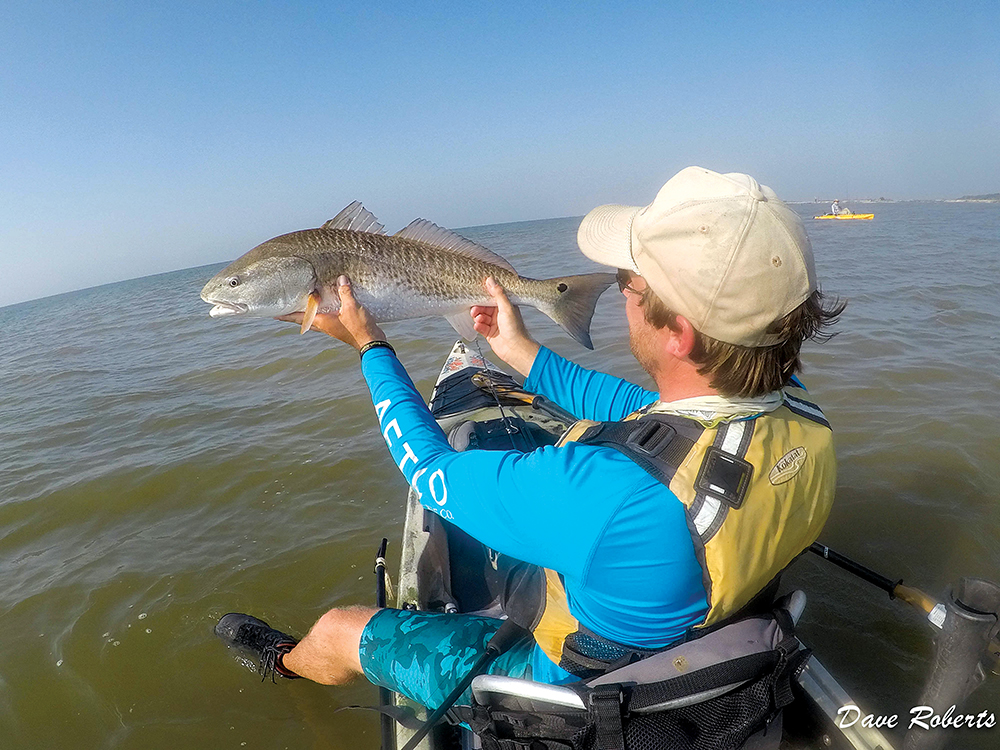
I have fished nearly all my life, but it wasn’t until about fifteen years ago that I really started to explore. I bought a kayak, and this led me to find some really incredible areas, spots that seemed to be untouched. Naturally, I would take full advantage of the places and go to them every weekend. I mean, why would you leave a marsh where you could sight-cast big redfish all day? Curiosity would eventually get the best of me, and I would venture off to other areas, but I would always come back to that one spot in the marsh. Well, I went back there one day and only found a few fish. I also noticed that the grass in the ponds was getting thinner. It didn’t take long, and my go-to spot was not even worth going to look at anymore.
Confusion set in, and I wasn’t sure what to think of the situation. I ran into Dickie Colburn one evening, and this is one of the few conversations I ever had a chance to have with him. I told him about the area I was fishing and what had happened. He nodded and understood exactly what I was talking about. He told me, don’t worry, give it a few years and them fish will be back. “Everything comes in cycles,” he explained. About three years ago, the grass started to come back, and the fish have moved back into those ponds. Dickie was right, it just took time.
With that story being told, there was a point where I was forced to go learn a new area and find something new. Looking back at it now, I am very thankful that spot had run its course and essentially dried up—redfish-wise. Because if it hadn’t, I would have never ventured out to learn anything else about our area.
A prime example that I can give is fishing the Sabine National Wildlife Refuge. I am not too sure of how many acres it is, but there’s certainly more marsh than you can see in a day. According to the rules, the refuge is closed from October 15 until March 15, and no one is allowed to enter it. Once it is open, anglers can enter and fish all the way through summer and up to fall. Well, six months is a long time not to fish an area with hopes to waltz right back into catching fish. I have only been fishing the refuge for a little over eight years now, and I have not found fish in the same, consistent spot. My go-to ponds are usually good for about two years, and then the fish just move. Sometimes it is to the next pond over, and sometimes they just completely disappear. That being said, I have learned a lot about the refuge and have covered places that I had no business being, all out of necessity.
The point that I am trying to make is that fish patterns change, and things are not always a guarantee. Between rainfall, droughts, hurricanes, and freezes, these things will change an area, and as the habitat changes, the numbers of fish that use them will also change. When you have a spot that is worth stopping at every time you are on the water, take advantage of it. Good things don’t always last. Don’t be afraid, though, to skip over your go-to spot and venture out to some place new. You never know what you might find!