


The Great Dusky Run of 2026

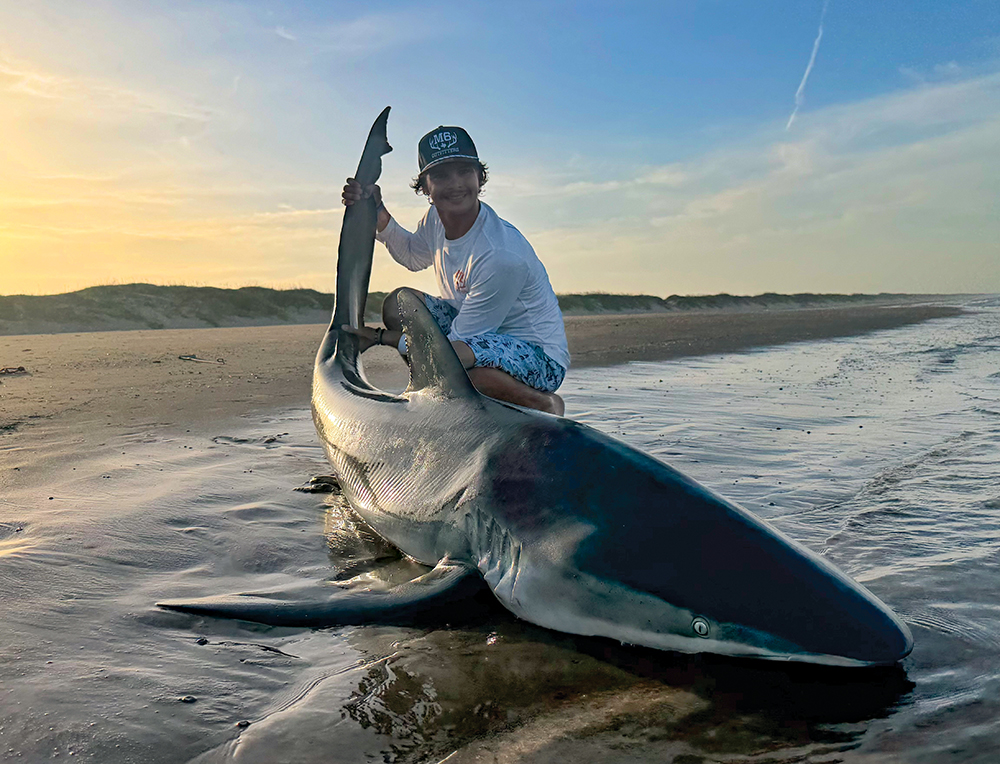
This year, we're experiencing one of the strongest El Nino patterns ever documented. In order to understand how this affects us as beach-going anglers here in Texas, we must learn what an El Nino pattern is. Essentially, an El Nino develops when surface temperatures in the equatorial Pacific Ocean run higher than normal. This leads to several effects, including a relaxing of the westerly winds prevalent over the Pacific in a normal year, an increase of rainfall in the southern U.S. and Peru, and a reduction in the cold, upwelling currents normally found off the coast of South America.
Here in Texas, the impacts of El Nino are felt in our seasonal wind patterns and in the associated oceanic currents in the Gulf partially driven by those winds. Specifically, these effects expressed themselves this year in the form of an upwelling of cool water along the beachfronts of the Gulf, from the Coastal Bend of Texas down to northeastern Mexico. The presence of this abnormally cool water affects many of the fish in our waters, both predators and prey species, many of which can't find what they need in water like this.
The cool water is also full of suspended sediments. For weeks on end, we've seen dirty water fronting the beach, with cleaner, greener water lying farther offshore, often just beyond the reach of land-based anglers. This scenario plagued Texas surf fishermen all summer, starting in June and persisting through the dog days. Ugly water along the shore causes anglers to lose motivation; it causes various species of fish to flee, in search of better conditions.
Some species head north, toward our Upper Coast, some move south, towards Mexico, while others move away from the beach, into the deeper, cleaner, warmer water. Some of the species we target in a normal year during the heat wave either vanish altogether or become scattered in such low numbers that we encounter only a few or none of them at all. These complications can make life difficult and frustrating for people who love fishing the surf, especially those of us who depend on catching fish in order to make a living. Though all of this is true, we have experienced one welcome benefit from the effects of this historic, lingering upwelling event, and it comes in the form of the presence of a surprising number of a specific kind of toothy critters.
In years like this one, most of the big sharks in Texas waters prefer the Upper Coast. Tigers. In particular, show up in places around Freeport and Galveston during times like these. But dusky sharks, unusual at all times in our state, do show up in the cool, dirty water in numbers which increase our chances of encountering them. Duskys normally stay well away from shore, preferring the pelagic environment, much like makos. Normally, we encounter them sixty or more miles offshore; hooking and landing one from the beach happens only rarely. In fact, we sometimes go several years without seeing a single dusky caught off the beach in Texas. But this year, the historical record book is being thrown out the window.
To those of us who spend lots of time fishing Texas beaches, the summer of 2026 will forever be known as the summer of the dusky shark. There have been several other species of big sharks caught by Texas anglers this summer, including a massive 13' 5" great hammerhead landed on one of my charters. Amazingly, the number of dusky sharks landed tops all other species, and some of these duskys have been truly giant. I personally landed and released an 11' 2" specimen that weighed nearly 700 pounds. To put things in perspective, the state record dusky is a 530-pound specimen caught over half a century ago, in 1975. The IGFA all-tackle world record dusky shark weighed 746 pounds. In light of these facts, I'd rank this catch in my top five most significant ones, counting sharks and all other types of fish.
I've caught and released several other dusky sharks this summer, and a friend has come close to hitting the double-digit mark on dusky releases. Many other friends and fellow anglers also caught a dusky, many of them for the first time ever. Dealing with the strength and beauty of these creatures one-on-one and seeing the tremendous girth of these rare giants gave me enduring respect for them; the species occupies a special place in my heart.
Years ago, I named my dog Dusky after landing and tagging my first from the surf. Mother Nature engineered these dark brown predators specifically for speed, with hydrodynamics in mind; they're massive and sleek at the same time, with soft curves. Their large, rounded heads and tall, powerful tails enhance the heft of their profiles. Once dragged onto the sand, these beasts become active and aggressive; they're fearless and difficult indeed to control.
Those of us lucky enough to interact with some duskys this summer will never forget the events. As we head into fall, we're looking forward to new adventures. If we're lucky, we may see a late run of big sharks. So far this summer, on my charters, we've only landed and released one tiger. By now, I'm usually into double digits. It would certainly be nice to see some more of these beasts bite before the cool weather drives them away until next year. As always, I'll be out there putting out baits and hoping for the best, also anticipating the unexpected.