
Transitioning Into Winter

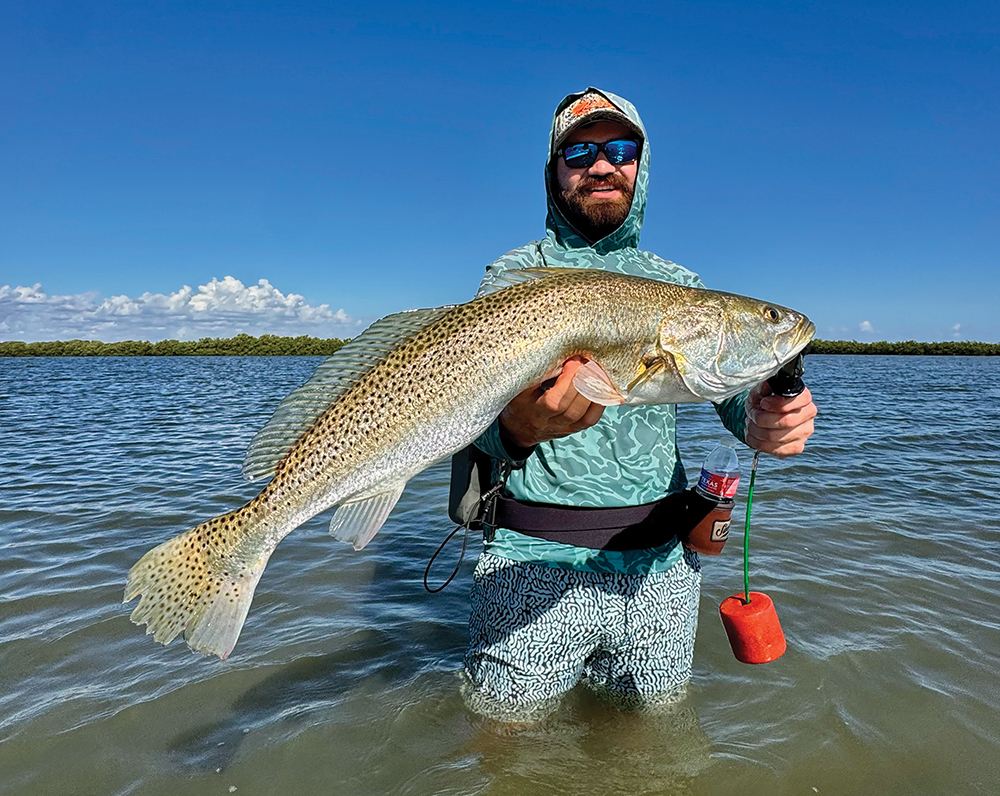
Transitioning from summer into winter patterns is something I look forward to every year. There are fewer boats, less traffic on the water, and the fish start changing their patterns for the better. There is nothing better to me than when the summer heat finally breaks, the cool fronts start rolling through, and the water temperatures begin to drop. The fish seem to settle down, become more predictable, and their appetites start building. After months of dealing with extreme heat, high water temperatures, and constantly changing conditions, it is a welcome change for both the fish and those of us who spend our lives on the water.
This time of year always brings a different kind of excitement. You start watching the weather more closely, paying attention to every north wind and cold front, and thinking about how those changes will affect the fish. Areas that seemed lifeless during the hottest part of summer can suddenly come alive. Bait starts moving differently, redfish begin pushing back onto the flats, and trout become more aggressive as water temperatures fall. It is a time when all those hours spent learning the bay can really pay off.
Fishing has been steadily improving, but I want to start this article by addressing something that has been on my mind: the number of redfish I have been seeing on the flats.
Normally, when I spend a day fishing the flats or spoil banks, I can expect to see anywhere from 30 to 50 redfish throughout the day. Lately, I have been seeing maybe half that on an average trip. I cannot say for certain what is causing the difference. It could be extended periods of high pressure, changing weather patterns, fishing pressure, or a combination of several factors. However, I cannot help but wonder whether the number of catch-and-kill tournaments taking place around South Padre Island is starting to have an impact on our fishery.
I am all for people getting out on the water, catching fish, and having a good time. I also understand that fishing tournaments can be a great way for companies and nonprofits to raise money for good causes. There is nothing wrong with a little friendly competition, and I respect anyone willing to put in the time and effort to compete. My concern comes from seeing multiple tournaments taking place nearly every weekend, especially when the goal is to bring in the most fish possible.
At some point, I think we have to ask ourselves what the long-term cost might be for our bay system!
I understand the competitive side of fishing. Everyone wants to catch fish, weigh them in, and have something to show for their time on the water. I also understand that many anglers enjoy bringing home fresh fish to feed their families. There is absolutely nothing wrong with keeping a legal limit and enjoying what you catch. I do the same thing when the opportunity presents itself. My concern is the cumulative pressure that comes from repeated harvest events over an extended period of time.
When you have tournaments running weekend after weekend, the number of fish harvested can add up. Even when every angler follows the regulations, it is worth considering the combined impact on a fishery that so many people depend on for recreation, and also their livelihoods. As fishing guides, recreational anglers, and tournament fishermen, we all benefit from having a healthy population of fish. Using that resource wisely should be something we can all agree on, regardless of how we choose to fish.
I am not claiming that tournaments are the reason I have been seeing fewer redfish. There are too many variables on the water to make that statement, and fish populations naturally fluctuate with weather, habitat, reproduction, and seasonal movements. But when you spend as much time on the water as I do, you begin to notice changes. I believe those changes deserve our attention rather than being brushed off as just another slow day.
Five years ago, my brother and I could head out and catch 20 or more redfish on just about any given day in many of the areas we fished. We knew where to go, what to look for, and how to position ourselves to get shots at fish. These days, we have to work a lot harder to find that same kind of action. Sometimes, that means covering 30 miles or more of water just to locate a decent bite.
That is a big difference when you consider how familiar we are with this bay. We have spent countless hours running these shorelines, crossing shallow flats, and looking for fish in places most people would drive right past. We know that fish move, and we know that no two days are ever the same. Part of being a good angler is understanding that you cannot expect the fish to be in the same place every time you pull up. Still, there is a difference between having to adapt to seasonal changes and consistently having to work harder to find the numbers of fish we once encountered in familiar areas.
As a fishing guide, this matters to me for more reasons than simply catching fish. Clients come down to South Padre Island to experience the Lower Laguna Madre. Some want to catch their first redfish, while others want to see a school of fish cruising across a shallow flat or experience the excitement of sight-casting to a redfish in just a few inches of water. Those are the experiences that make this place special. I want people to leave the boat with a better understanding of the fishery and an appreciation for what we have here, not just a cooler full of fish.
The more time people spend learning about the bay, the more they tend to appreciate what makes it unique. There is a lot more to fishing than catching a limit. Watching a school of redfish move across a grassy flat, seeing a tail break the surface, or making a perfect cast to a fish you have been tracking for several minutes can be just as rewarding as bringing home dinner. Those experiences are a big part of why I love what I do, and they are something I hope we can continue enjoying for years to come.
As we move into winter, my attention starts shifting toward how the cooler weather will influence fish movement. North winds and falling temperatures can change the entire layout of the bay. Water levels can drop, exposing shallow shorelines and concentrating fish along deeper edges, guts, and channels. On other days, a favorable tide can push fish right back onto the flats, where they begin looking for an easy meal.
This is when paying attention to the little things becomes especially important. I am watching water temperature, wind direction, water clarity, and the amount of bait moving through an area. I am also paying attention to how the fish react to those conditions. Sometimes the difference between finding fish and running empty water all morning comes down to recognizing a small change and adjusting before wasting too much time in one place.
My approach during these transitions is to stay flexible. I prefer fishing artificial lures and sight-casting to fish on shallow flats, but there are days when you have to leave your comfort zone and figure out where the fish have moved. If the flats are quiet, I start looking toward deeper water and areas where bait is gathering. If the water temperature drops and the fish push shallow, I am ready to move back onto the flats and take advantage of those opportunities.
For me, that constant adjustment is part of what makes fishing interesting. You can spend years learning a bay and still have days when the fish make you look like you have never been out there before. The conditions are always changing, and the anglers who stay willing to learn and adapt are usually the ones who continue finding success.
I am looking forward to seeing what this winter brings. I hope the cooler temperatures get the fish moving, the flats start producing more consistent numbers, and we see some of the action that made me fall in love with this fishery in the first place. At the same time, I hope we can all take a step back and think about the resource we have in front of us.
The Lower Laguna Madre is a special place, and we are fortunate to have it. Whether you are a tournament angler, a weekend fisherman, or someone who makes a living guiding others, we all have a stake in its future. Regulations are important, but so is the attitude we bring to the water and the decisions we make when we catch a fish.
I want to see this bay continue producing healthy redfish and trout populations, not just for the next season, but for the next generation of anglers. My brother and I have already seen how much things can change in just five years. I would hate to look back another five years from now and realize we ignored the warning signs when we had the opportunity to do something about them.
At the end of the day, we cannot control every weather pattern, every tide, or every movement the fish make. What we can control is how we treat the resource and how much thought we put into protecting it. I will keep adapting to the conditions, searching for fish, and doing my best to put clients on the bite. But I also believe it is our responsibility to make sure there are plenty of fish left for everyone to enjoy long after we leave the water.