
Wind, Birds, and Opportunity: Spring Fishing on the Texas Coast
March and April are known for one thing on the Texas coast: wind. Day after day of it. It can make long runs across open water uncomfortable, muddy up your normally clear water, and test your patience in a hurry. But if you’re willing to push through it, this time of year can quietly turn into some of the best fishing of the season.
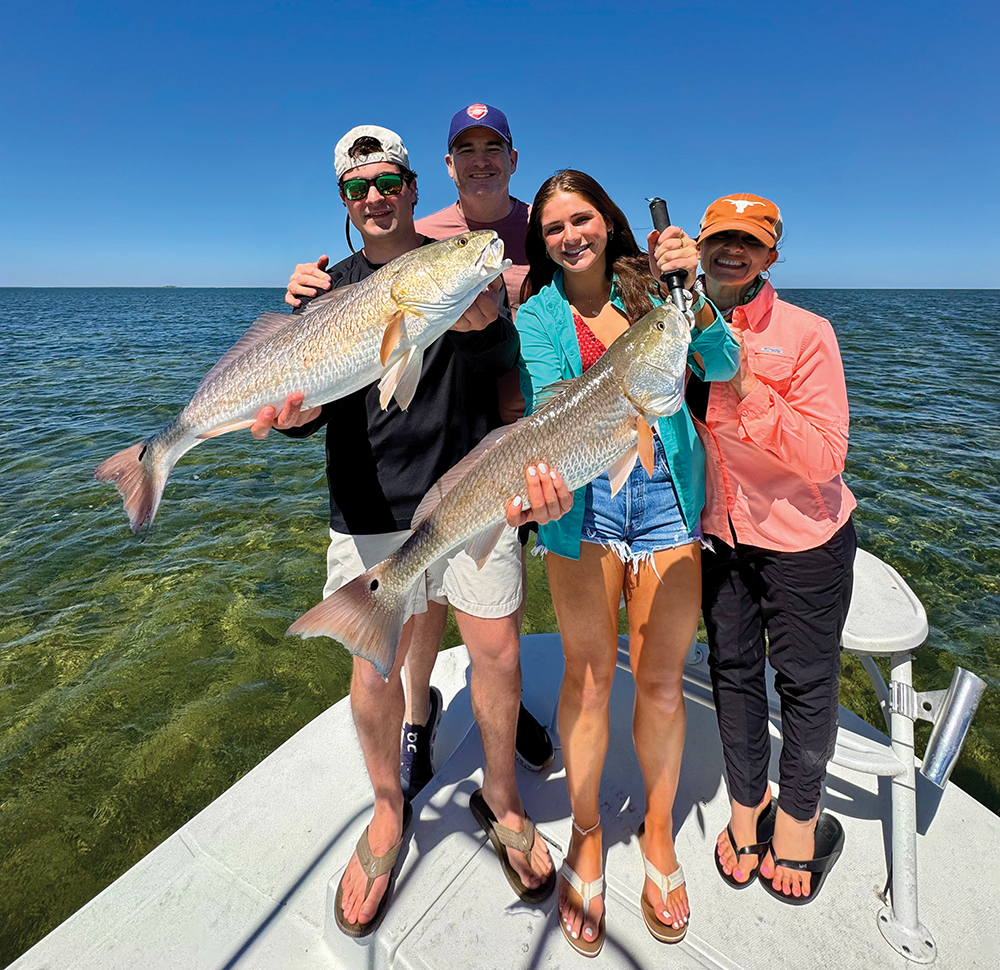
Right at the beginning of April, the shrimp hatch kicks off. It arrives as a major shift in the ecosystem and everything starts to revolve around it. As those small shrimp begin to move, schools of redfish start grouping up and feeding aggressively. They’re not scattered anymore. They’re organized, pushing bait, and working together.
The wind actually plays into your favor here. It muddies up the water, which might not look ideal at first, but it gives redfish and trout the confidence to stay shallow and feed harder. In that dirty water they rely less on sight and more on instinct, and that means they’re less cautious and more willing to eat.
This is where the birds come into play.
Seagulls become one of your best tools this time of year. They’re not just randomly flying around. They’re keyed in on the same thing you are. When shrimp are getting pushed to the surface by feeding fish, they start popping and skipping across the water, trying to escape. The birds see it instantly. They’ll hover, circle, and then dive, picking off whatever gets left behind.
If you see birds working low and tight over the water, there’s a strong chance fish are underneath them. Not every group of birds holds fish, but when you find the right ones, it can make locating schools almost effortless.
A lot of days this time of year turn into a run-and-gun game. You’re covering water, keeping your eyes up, and reacting to what the birds are telling you. When you find the right group, it can happen fast. Multiple fish fired up, competing, and willing to eat just about anything that looks like a fleeing shrimp.
This is one of the most fun bites to be on with clients. It takes a lot of the guesswork out and turns it into more of a reaction game. Good casts, staying ready, and capitalizing when the opportunity shows up. When everything lines up, it can feel nonstop.
That being said, not every school is easy. Boat pressure, missed shots, or getting too tight too fast can shut things down just as quickly as they can get fired up. A lot of times it’s about setting up away from the birds, making longer casts, and letting the fish come to you instead of running in right on top of them.
It can feel easy when it all comes together, but there’s a tradeoff.
You have to be willing to fish through the gauntlet of spring weather. The wind doesn’t let up just because the bite is good. It takes longer to get where you’re going, longer to locate the right signs, and sometimes longer for everything to line up. More often than not, the best bite doesn’t happen early. It usually happens best when most people are already heading in.
Those last couple hours of the day can make all the difference. The wind might lay just enough, the bait gets more active, and the fish settle into a better rhythm. That’s usually when things really start to happen.
Staying a little later, grinding through the conditions, and trusting what the birds and water are telling you is what separates an average day from a special one this time of year.